
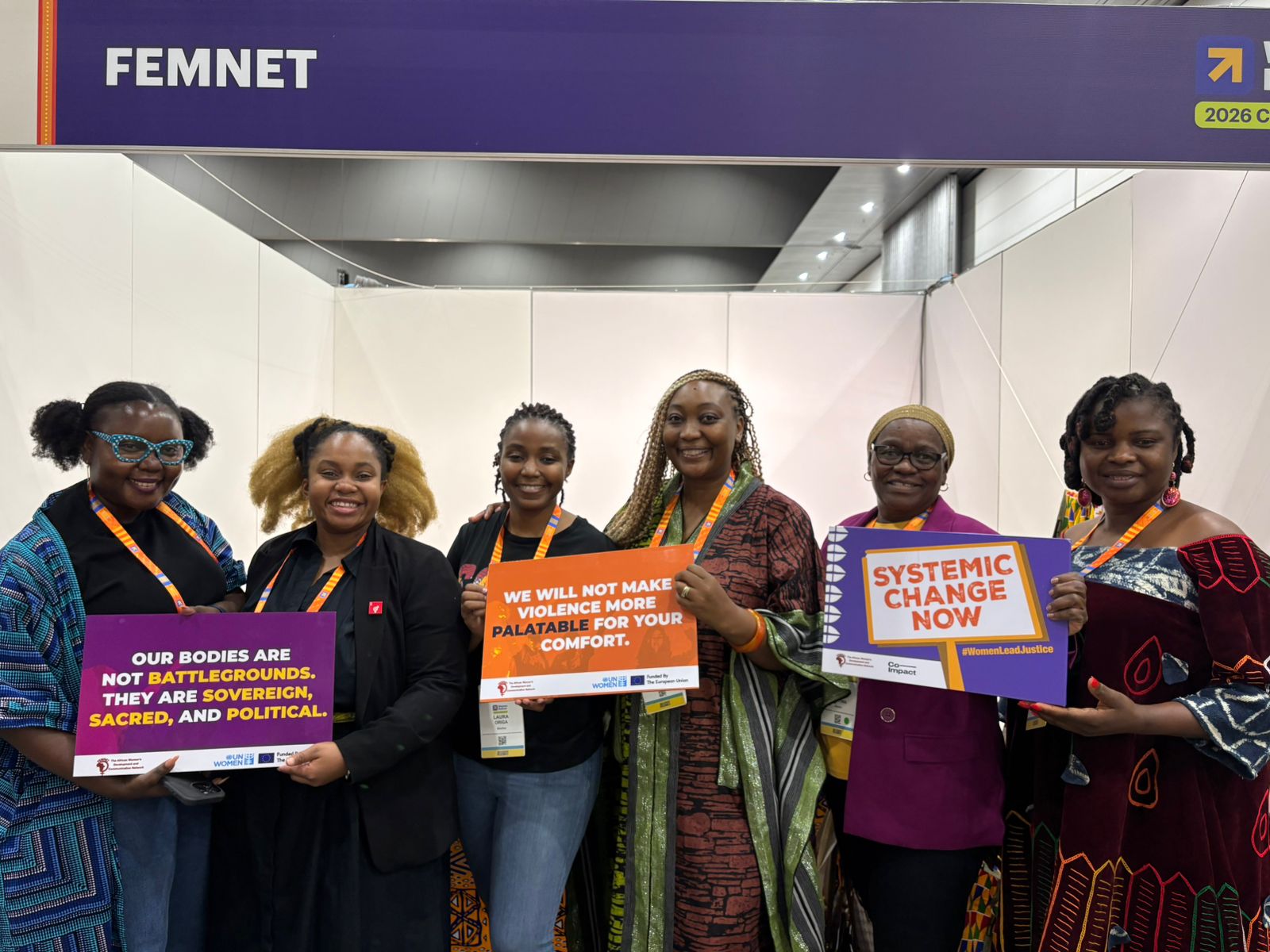
Women Deliver 2026: When African Feminist Voices Refused to Whisper
Melbourne, Australia, was more than a host city for the Women Deliver Conference 2026—it became a gathering point for reflection, strategy, and renewed feminist fire. For many of us from Africa, Women Deliver was not simply another global convening marked by panels, policy language, and polished declarations. It was a necessary political space—a place to confront the rising backlash against women’s rights, challenge the growing strength of anti-rights movements, and reimagine what justice must look like for African women and girls.
From conversations on sexual and reproductive health and rights (SRHR) to feminist financing, from care economies to ending violence against women and girls, one truth remained constant throughout the conference: African women are not waiting to be invited into leadership; we are already leading. But we are also doing so in an increasingly hostile environment.
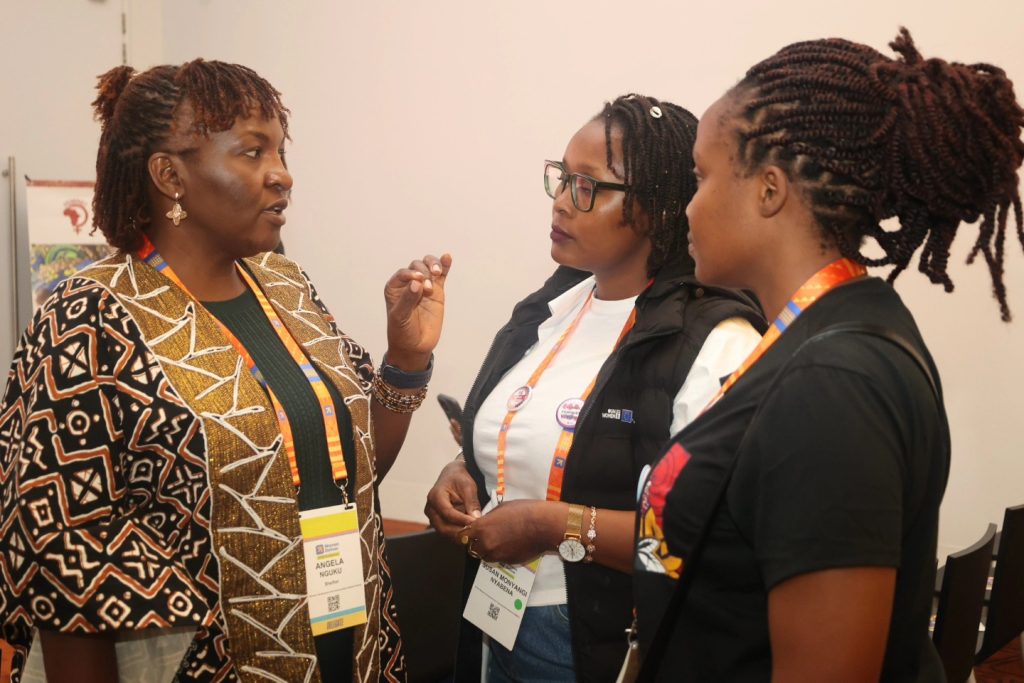
Delegates chatting on the sidelines of the Women Deliver Conference
The Pushback is Real: Anti-Right Movements Are Organised
One of the strongest undercurrents at Women Deliver was the urgent recognition that anti-rights movements are no longer isolated voices operating on the margins; they are organised, funded, strategic, and deeply intentional.
Across Sub-Saharan Africa, we are witnessing increased attacks on bodily autonomy, comprehensive sexuality education, feminist organising, and civic space itself. These movements are shaping legislation, influencing public discourse, and weaponising culture and religion to roll back decades of hard-won gains for women and girls. This was not a side conversation in Melbourne. It was central.
A delegate from Uganda said it best: “Anti-rights movements are not accidental. They are strategic. Our response must be even more strategic, even more united, and unapologetically feminist.”
That truth echoed across the conference halls. The statistics behind these realities are impossible to ignore. According to the World Health Organization, Sub-Saharan Africa alone accounted for around 70% of global maternal deaths in 2023—approximately 182,000 deaths—while the region and Southern Asia together accounted for 87% of maternal deaths worldwide. WHO further reports that about 260,000 women died during and following pregnancy and childbirth in 2023, with a maternal death occurring almost every two minutes. These are not abstract numbers. Behind every statistic is a girl forced to leave school because of child marriage. A woman giving birth without access to skilled care. A survivor navigating violence without justice. A feminist activist silenced for demanding dignity.
“Change has always been driven by women and feminist movements across the globe. But as we say Change Calls Us Here, we must ask ourselves—are women truly feeling that change? Real transformation begins when we respond to the lived realities of women and girls and center where change is most urgently needed.” Angela Nguku, FEMNET Board Treasurer.
Feminist Financing Is Not Optional
Another critical conversation centred around Debt2Health swaps and feminist innovation in financing health and SRHR. African countries continue to spend billions servicing debt while underfunding healthcare systems that women and girls depend on most. In many countries, debt repayments exceed national health budgets. This contradiction is not just economic—it is political.
How do we talk about maternal health when hospitals are under-resourced? How do we discuss menstrual dignity when schools lack sanitation? How do we claim commitment to gender equality when national budgets refuse to reflect it? This is where the discussion on Special Drawing Rights (SDRs) became especially important. Budgets are moral documents. They reveal what governments truly value. If women and girls remain absent from financial priorities, then gender equality will remain a slogan rather than a structural reality. Feminist financing is not an optional conversation. It is survival.
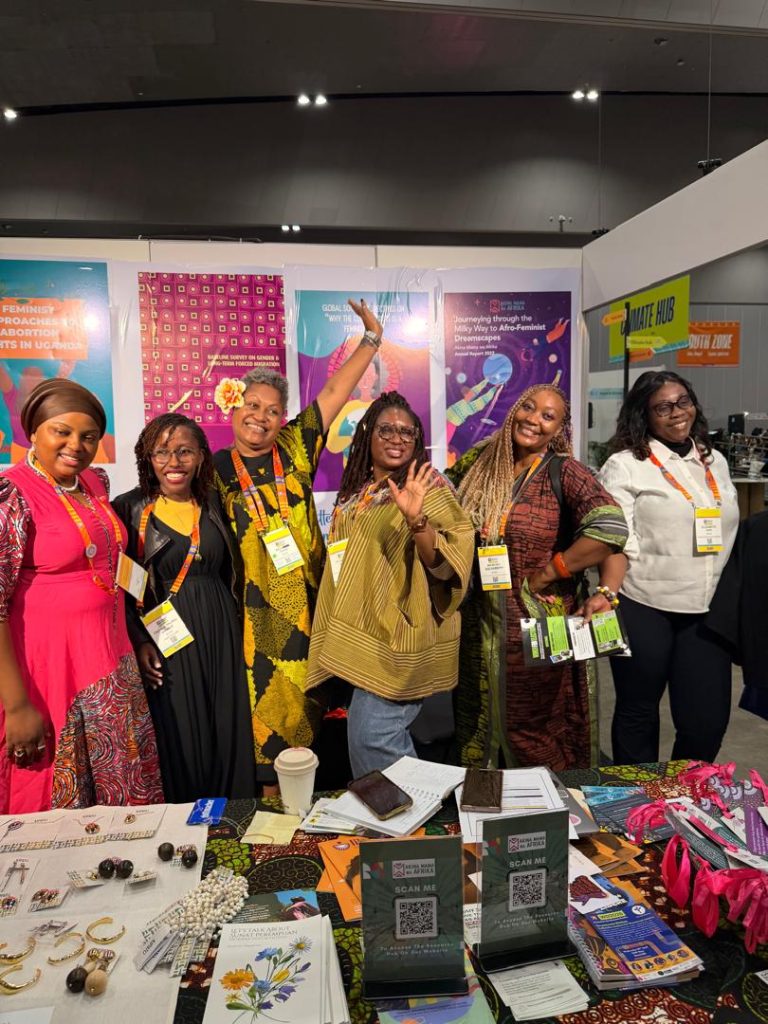
African Delegates Brought More Than Presence—We Brought Perspective
From Kenya to Malawi, Nigeria to South Africa, Ghana to Zimbabwe, African delegates did not simply show up—we carried perspective, lived experience, and urgency into every room. We brought solutions rooted in reality. We brought movement memory. We brought stories that data alone cannot hold.
Dr. Zoneziwoh, a delegate from Cameroon, said: “We are tired of being invited to tables where decisions are already made. African women must not just be consulted—we must be resourced and trusted to lead.”
Another delegate from Malawi added, “Development cannot continue to happen to us. It must happen with us, and on our terms.”
This perhaps became one of the strongest reminders of the week: representation without power is performance. It is not enough to be visible. We must be funded. We must be heard. We must be trusted with decision-making power. Anything less is symbolic inclusion.
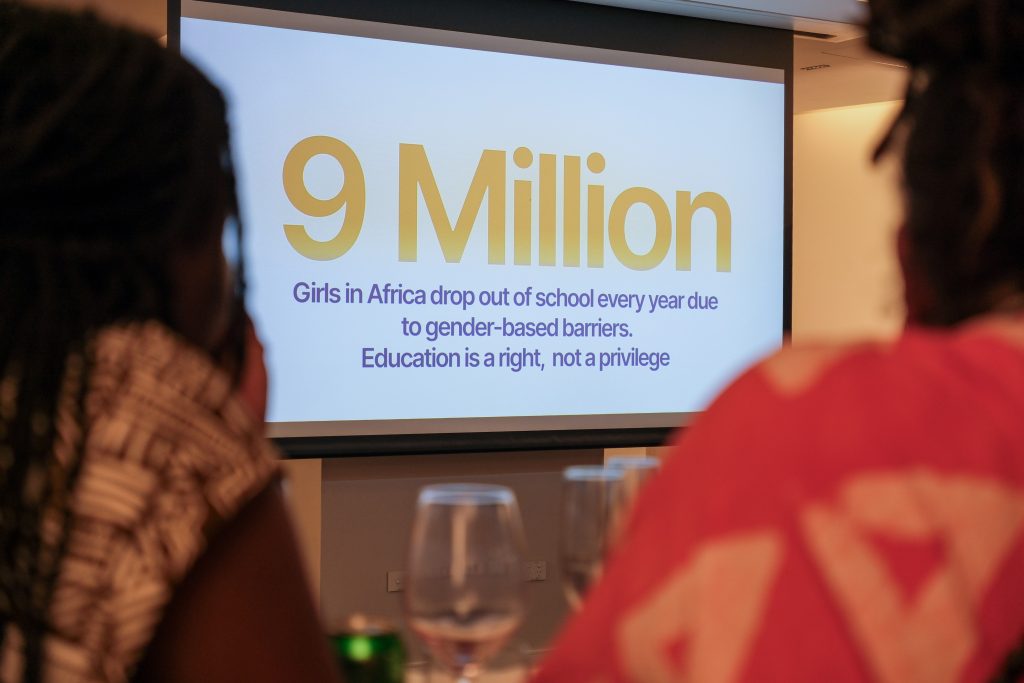
Beyond Melbourne: What Happens Next?
Conferences end. Flights depart. Social media engagement slows down. But the work remains. Women Deliver should not be remembered only for strong panels, inspiring speeches, and beautiful hashtags. Its true value lies in what happens after Melbourne.
Do we strengthen feminist movements back home? Do we challenge regressive laws? Do we hold governments accountable? Do we fund grassroots women-led organisations? Do we continue building intergenerational solidarity across movements? Because gender equality cannot survive on declarations alone.
It needs budgets.
It needs policy.
It needs political courage.
It needs protection for civic space.
It needs feminist persistence.
Africa stands at a defining moment. We are the youngest region in the world, rich in possibilities and resistance, but also carrying some of the deepest inequalities. Gender equality must stop being treated as a side issue.
It is an economic policy.
It is climate justice.
It is public health.
It is democratic survival.
As African feminists, we must continue building movements that cannot be ignored. Because silence has never protected us. Melbourne reminded us of something powerful: the future of gender equality will not be handed to us.
We will organise for it.
We will fight for it.
We will fund it.
We will tell the stories that make it impossible to look away.
And we will do it together. For African women and girls, equality is not a luxury. It is long overdue.