
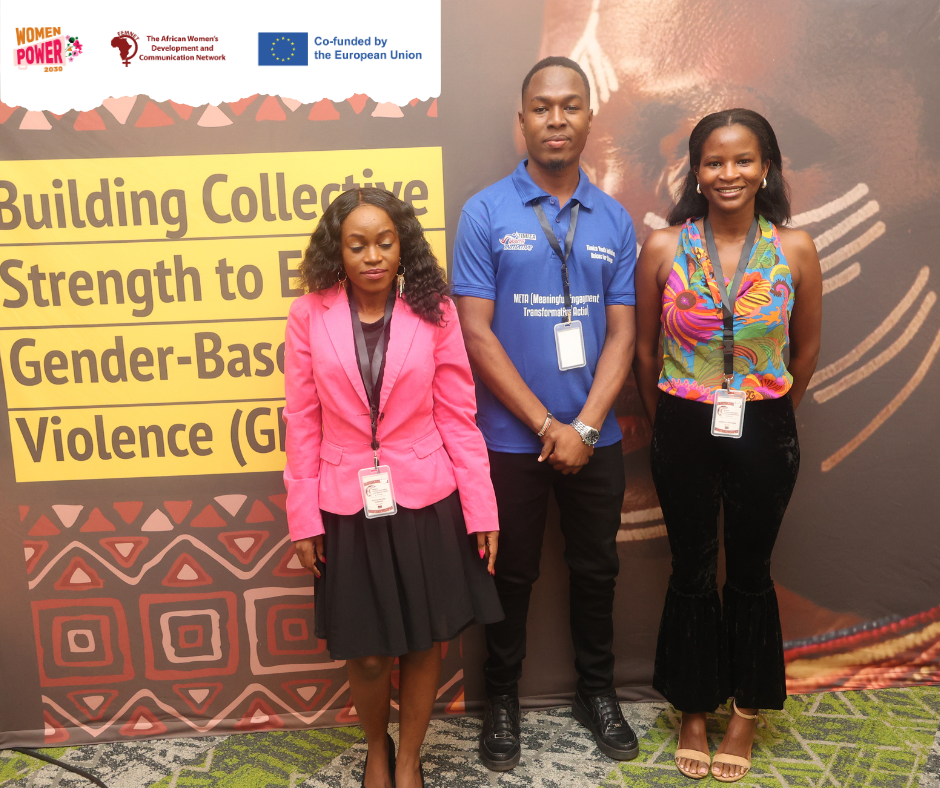
Beyond Survival: Healing the Invisible Wounds of GBV and Mental Health
On the sidelines of the Reshaping an African Feminist Agenda to End Gender-Based Violence convening hosted by FEMNET, voices from across the continent came together to reflect on the realities facing women and girls, and the urgent actions needed to advance gender justice. Among them was Brian Mundia, a human rights defender and representative of Timiza Youth Initiative, a youth-led organisation based in Kilifi County, Kenya.
Speaking passionately about transformative women’s leadership, Brian challenged the notion of inclusion that merely places women in spaces for visibility without meaningful influence. For him, transformative women’s leadership is about power, agency, and accountability. It is about ensuring women are not only present at decision-making tables, but are actively shaping policies, influencing budgets, and participating in financial decisions that directly affect their lives. He emphasized that excluding women and girls from these spaces continues to heighten their vulnerability and limits the possibility of achieving lasting gender equality.
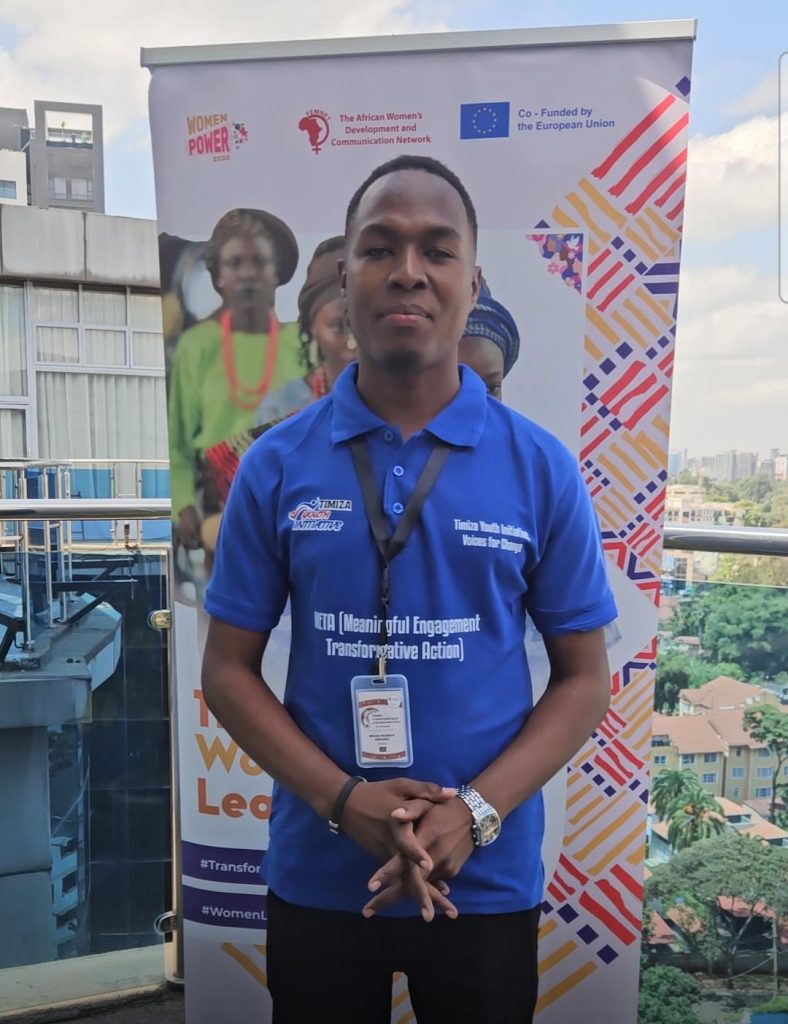
Brian Mundia, a human rights defender and representative of Timiza Youth Initiative from Kenya, during a side interview at the convening, sharing reflections on advancing gender justice and transformative leadership.
The conversation also highlighted a critical but often overlooked dimension of gender-based violence: mental health. Brian reflected on how survivors of violence frequently endure trauma long after the physical wounds have healed, yet psychosocial support remains insufficient. Many women and girls are left to navigate pain, economic hardship, and social exclusion alone, increasing their vulnerability and making recovery even more difficult. His reflections underscored the importance of moving beyond prevention rhetoric to investing in holistic healing and recovery systems that support survivors socially, emotionally, and economically.
As discussions at the convening explored strategies for reshaping Africa’s feminist agenda to end GBV, a recurring concern emerged around the gap between commitments and implementation. Brian called for stronger collective advocacy among organisations, regional networks, and stakeholders to hold policymakers accountable. Too often, recommendations remain confined to reports, task forces, and policy documents without translating into tangible action for women and girls on the ground.
His parting message was a reminder that meaningful change requires more than declarations; it demands resources, accountability, and sustained action. From funding GBV programmes to ensuring survivor-centered support systems, the call from the convening was clear: African feminist movements must continue pushing for policies that move beyond paper commitments into lived realities for women and girls across the continent.

Related Tags
Related Posts
Strengthening Partnerships for Feminist Futures: Reflections from Our Visit with BMZ
There is something powerful about pausing in the middle of busy global negotiations to reconnect with partners who
Learn More
Sharon Bakuchama: Leading the Fight Against Child Marriage in Northern Ghana
In Northern Ghana, where child marriage remains a persistent challenge, Sharon Bakuchama, a 25-year-old young woman, has emerged
Learn More