
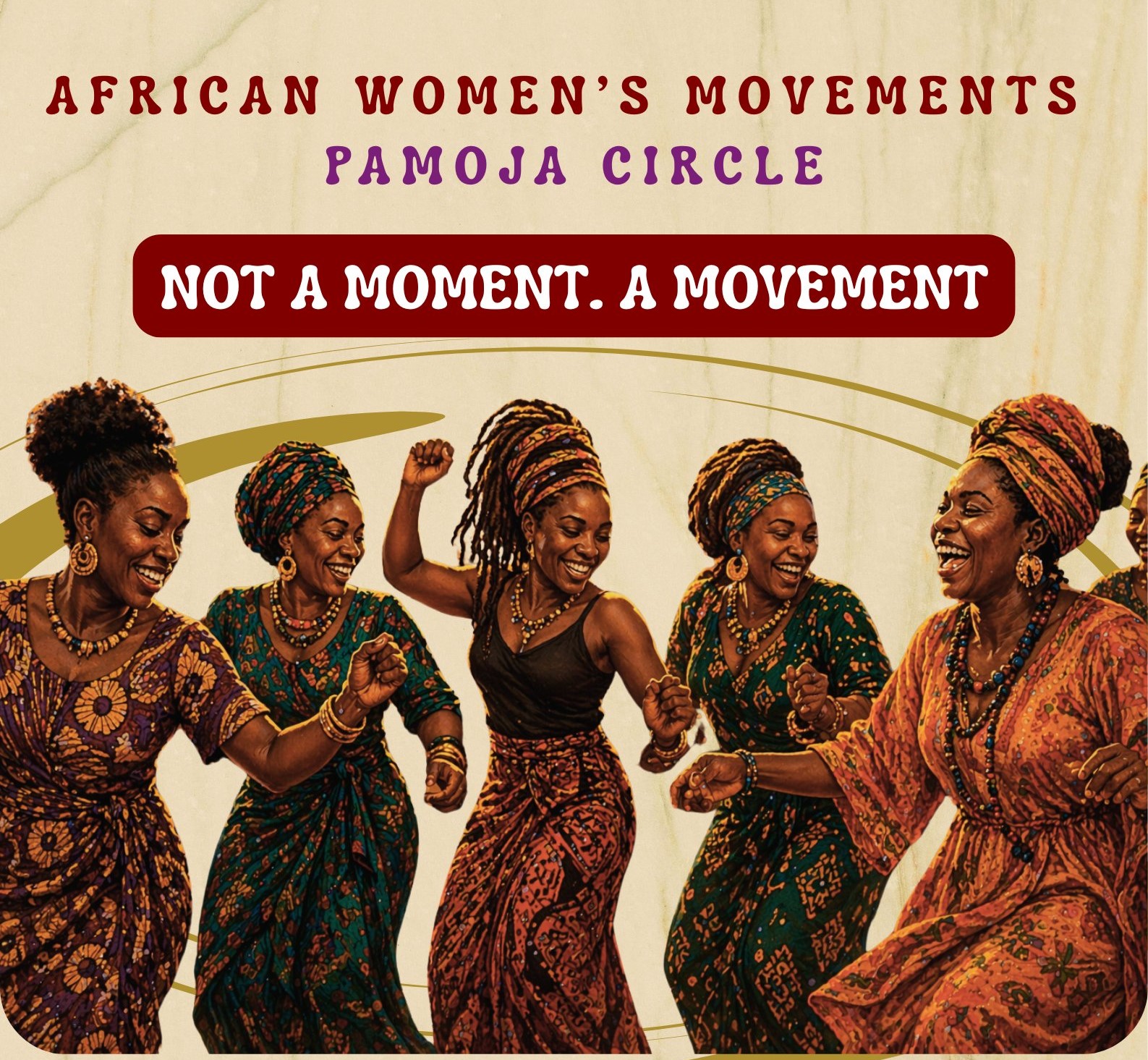
Not a Moment, But a Movement: Inside the Pamoja Circle in Melbourne
There are some gatherings you attend and quietly move on from. And then some stay with you long after the music fades, the lights dim, and the final goodbyes are exchanged. The African Women’s Movement Pamoja Circle at the Crowne Plaza Melbourne during Women Deliver 2026 was firmly the latter.
Co-hosted by Urgent Action Fund-Africa and FEMNET in partnership with Global Affairs Canada, the evening was designed as a shared space for African feminist and women’s rights defenders, movement builders, and funding partners to connect, reflect, and build solidarity. But the Pamoja Circle was never going to be “just another cocktail.”
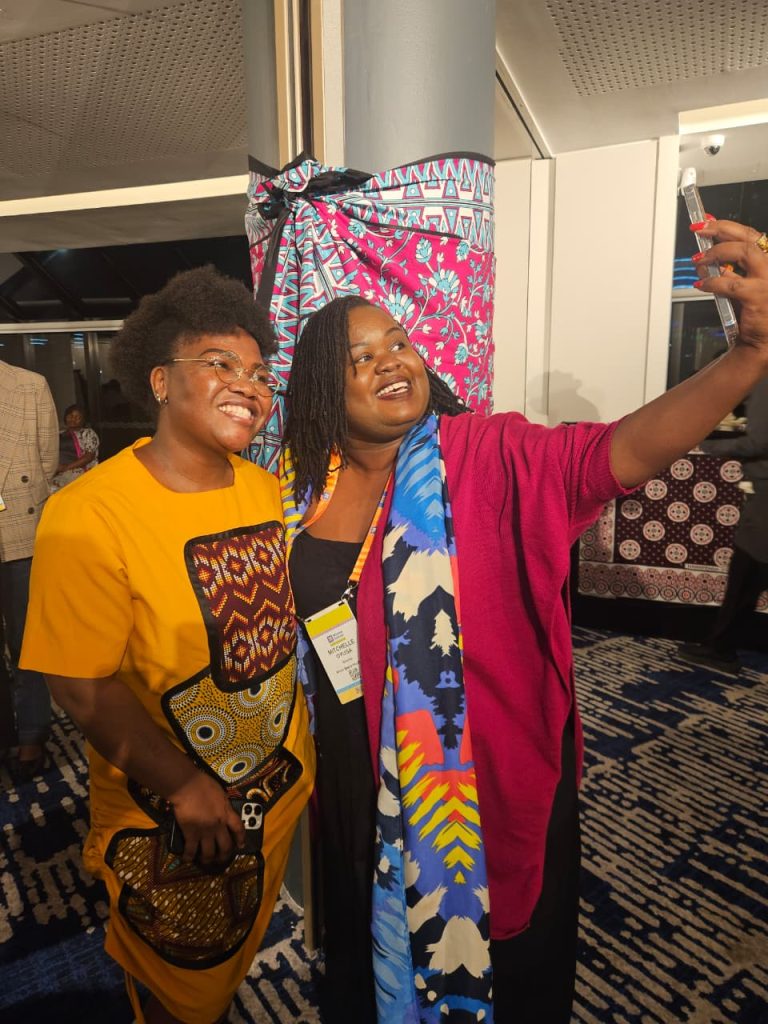
The moment you stepped into the room, you could feel it. African rhythms pulsed through the air. Afrobeats flowed effortlessly into Rumba classics, while laughter, animated conversations, and spontaneous dance circles reminded everyone that joy, too, is political. Feminists from across the continent and beyond let their shoulders loosen after days of intense discussions, strategy meetings, and negotiations that often define global convenings.
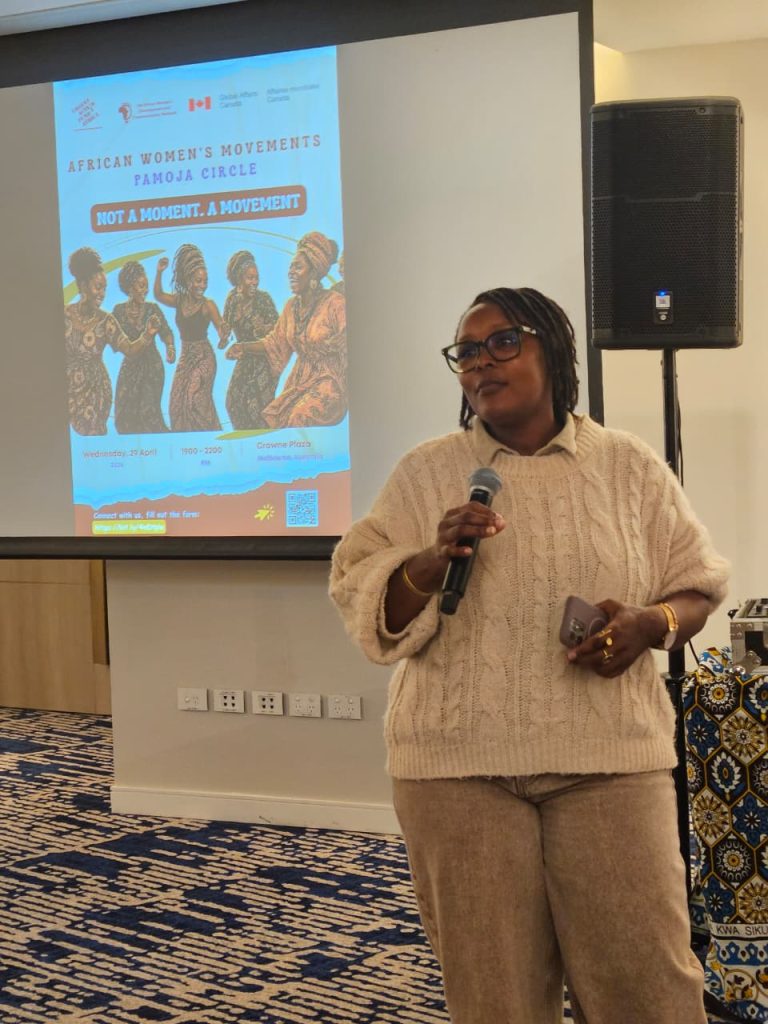
For one evening in Melbourne, African feminist movements did not simply gather to discuss struggle. They gathered to celebrate survival, resilience, and each other. And perhaps that is what made the night so powerful. Beneath the dancing and vibrant atmosphere was something deeply intentional: a refusal for African women’s movements to remain on the margins of global conversations. The Pamoja Circle boldly centred African feminist realities, leadership, and lived experiences in a world where movements are too often referenced, but not truly heard.
The evening became even more moving with the public launch of the Her Power film, a production that stirred emotions across the room and sparked deeply personal reflections among attendees.
The film courageously explored the realities facing teenage mothers, exposing the stigma, isolation, interrupted dreams, and societal judgment many young girls endure after early pregnancy. Yet Her Power did not remain trapped in pain. Instead, it offered something far more radical: possibility.
Through the journey of its central character, Joan, the film showed that teenage motherhood does not have to mark the end of a girl’s story. It highlighted the power of community support, second chances, mentorship, education, and self-belief. The character’s rise from vulnerability to strength resonated with many in the audience, particularly African women who know too well the weight of systems designed to limit women’s futures.
There were quiet tears. There were nods of recognition. There were moments of collective silence that only powerful storytelling can create. And then, almost naturally, the music rose again.
Because that is the rhythm of African feminist movements: we hold grief and joy in the same hand. We organise through uncertainty. We fight systems while still making space to dance. We carry communities while carrying ourselves. The Pamoja Circle beautifully embodied this balance.
In many ways, the evening reflected the very spirit captured in the gathering’s theme: Not a Moment. A Movement. African women’s movements are not emerging trends or temporary conversations. They are deeply rooted forces that continue to organise, resist, nurture communities, and reimagine futures despite shrinking civic spaces, funding challenges, and growing backlash. Yet even movements need moments to breathe.
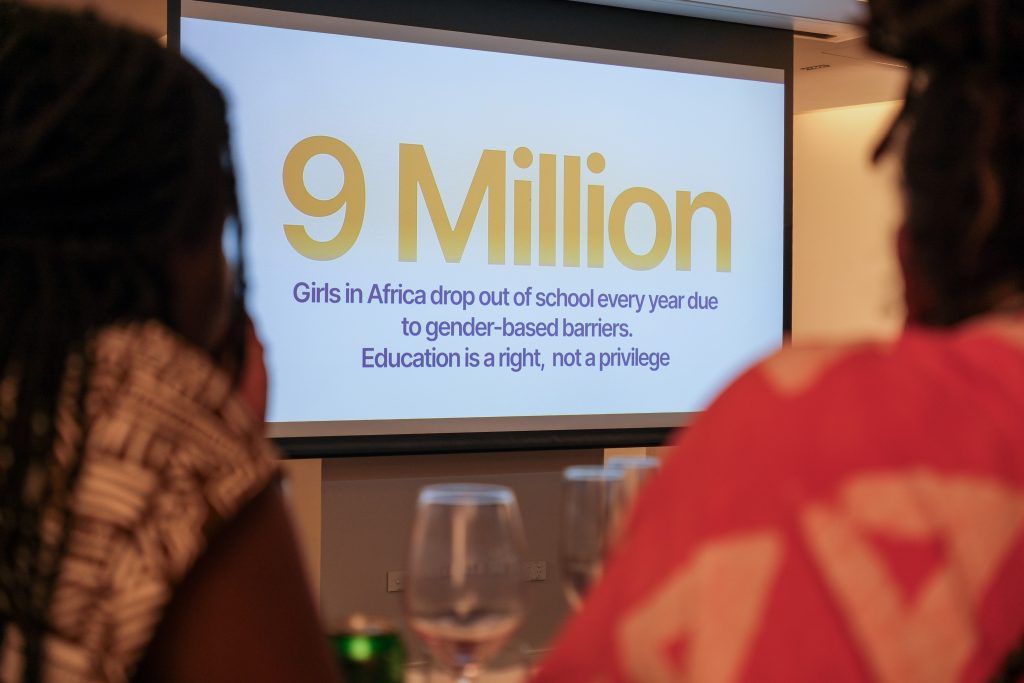
Women Deliver in Melbourne Australia – 29th April 2026
Too often within activism and movement spaces, rest is treated as an afterthought and joy as a distraction from “serious work.” But the Pamoja Circle reminded everyone in attendance that celebration is not separate from the movement; it sustains the movement.
The dance floor became its own kind of healing space. Conversations over music became acts of solidarity. Shared laughter became resistance against burnout and hopelessness. As African feminists continue pushing for justice, dignity, bodily autonomy, economic equality, and safer futures for women and girls, perhaps gatherings like these are also a call to remember our humanity.
To pause.
To reconnect.
To let down our hair.
To breathe deeply after carrying so much for so long.
Because movements are not only built in boardrooms, policy spaces, and protest lines. Sometimes, they are also strengthened in rooms filled with music, storytelling, dancing, and the comforting reminder that none of us is carrying the struggle alone.