
The Transition We Want: Centering Africa in Global Climate Action
By Kundai Ngwena – Climate Change and Environment Advocate
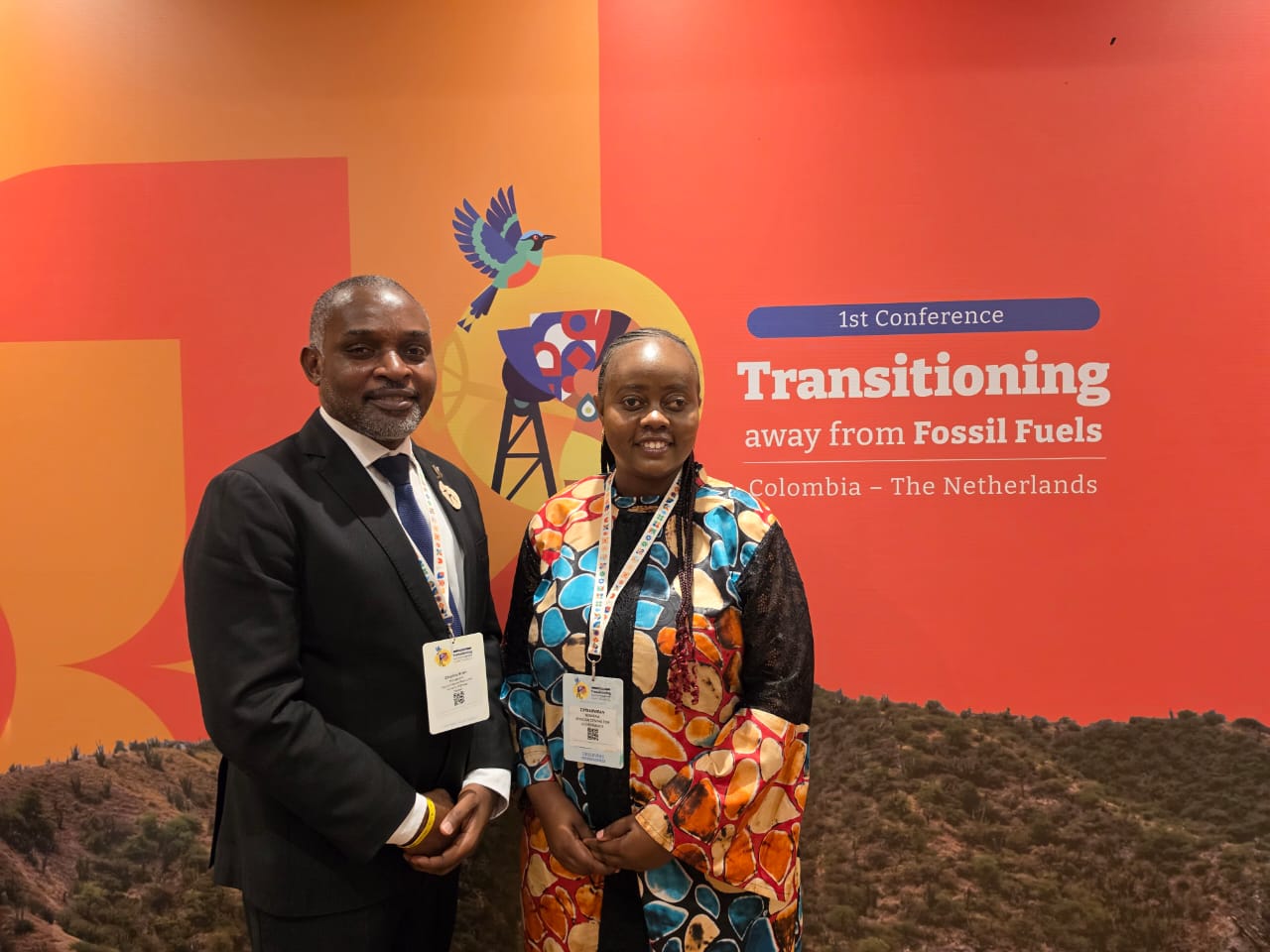
At the first-ever Transitioning Away from Fossil Fuels Conference in Santa Marta, Colombia, I was humbly nominated to speak on behalf of Africa at the People’s Assembly and elected as one of the global spokespersons and observers for the youth sector during the High-Level Dialogues and their breakout sessions. My engagements leveraged my multi-dimensional expertise in the climate space, including climate diplomacy, women and gender, media, and work in the mining sector in Zimbabwe. The conference was attended by a few Africans, including government officials, due to various logistical issues, including acquiring a visa. This did not deter me, nor did it deter other Africans present from presenting our demands. To me, this conference was a platform to speak out as Africans, away from the United Nations Framework Convention on Climate Change (UNFCCC) process. It was an opportunity to bring our hope for climate justice to reality. As many Africans resonated with my speech at the People’s Assembly, I emerged as one of the most compelling voices linking local realities to continental energy justice. Representing the African Centre for Governance, African Civil Society G20, and youth and children from Africa, I framed the transition not as an abstract climate target, but as a question of access, jobs, transparency, and accountability for African youth.
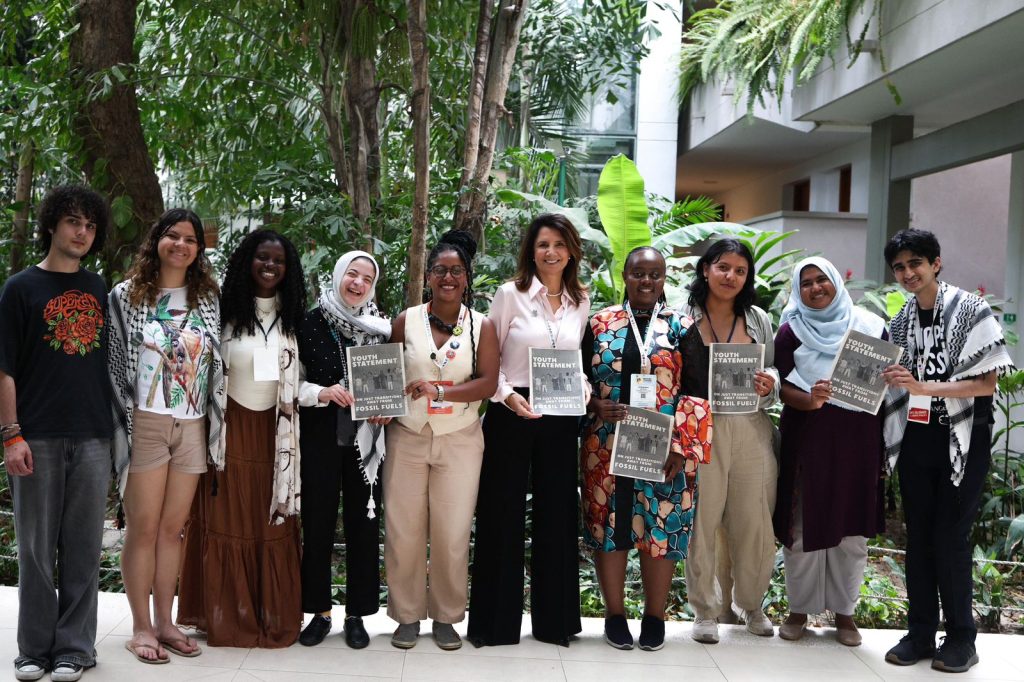
My interventions in the Break Away sessions during the High-Level Dialogues focused on three areas, including highlighting the paradox of Africa’s energy landscape. The continent holds 60% of the world’s solar potential yet remains energy-poor. I argued that phasing down fossil fuels must be centred on mutual benefit, honesty, transparency, and humanity. I also called for decentralized renewables and mini-grids that reach peri-urban and coastal communities towards improving energy access in Africa. This resonated with officials from African countries.
Secondly, I stressed the need for a just transition that creates opportunities, not just cuts emissions. I called for structured reskilling programs so young people displaced by fossil fuel phase-downs could move into solar, wind, and green manufacturing roles. Borrowing from our Global Youth Statements, I highlighted the need for youth to be treated as “custodians of their own development,” drawing on the African Youth Charter, shaping the discussion towards a rights-based edge. I also argued that it is not enough to include workers, but also the communities, so that they maintain their socioeconomic and cultural well-being. Lastly, I called for compensation for communities around the health and environmental rights and workers, starting with those injured during fossil fuel extraction and processing.
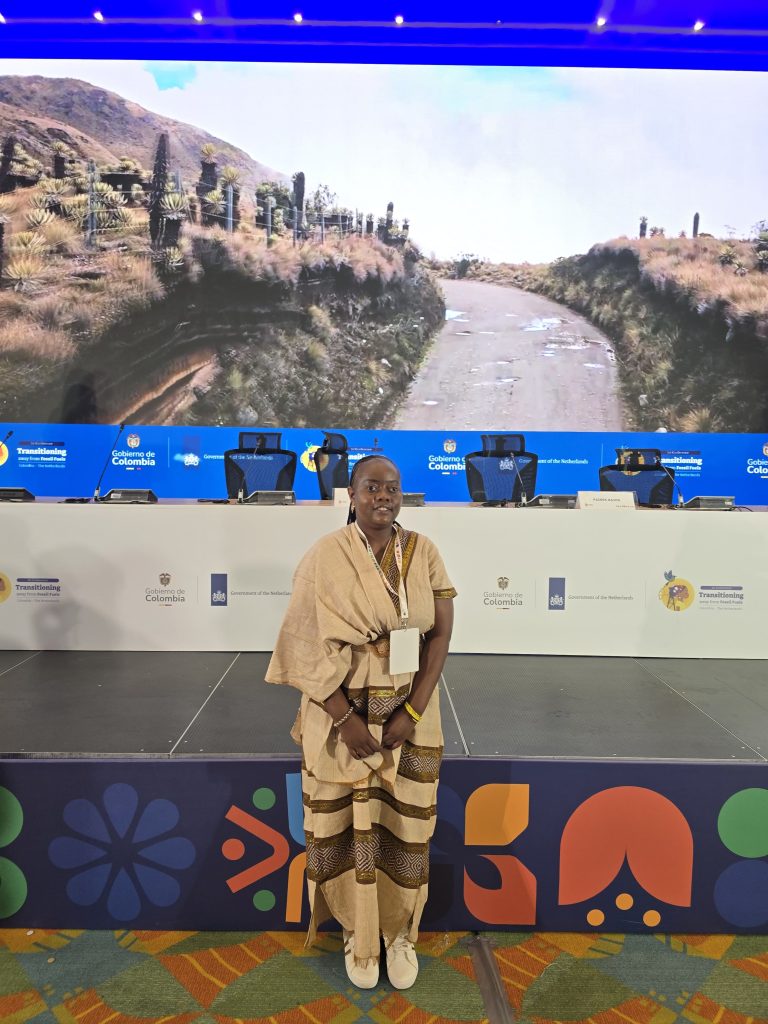
Finally, I demanded a global financial reform that addresses the historical debt. I argued that a just transition will require financing, and the current financial architecture does not support Africa’s development. Therefore, I urged the global north to cancel the existing historical debt so that the implementation of the Just Transition mechanisms can embark on a journey with Africa carrying no debt burdens.
My blend of policy grounding and youth perspective positioned the conference at the center of Africa’s just transition debate.
Related Tags
Related Posts
Aluta Continua: Inside the AACJ Journey of Feminist Climate Justice in Africa
When the African Activists for Climate Justice (AACJ) Project began in 2021, it was driven by a clear
Learn More
African Climate Summit 2023: No Climate Justice without Gender Justice
As Nairobi’s vibrancy reaches a crescendo, the world remains fixated on the Africa Climate Week taking place at
Learn More