
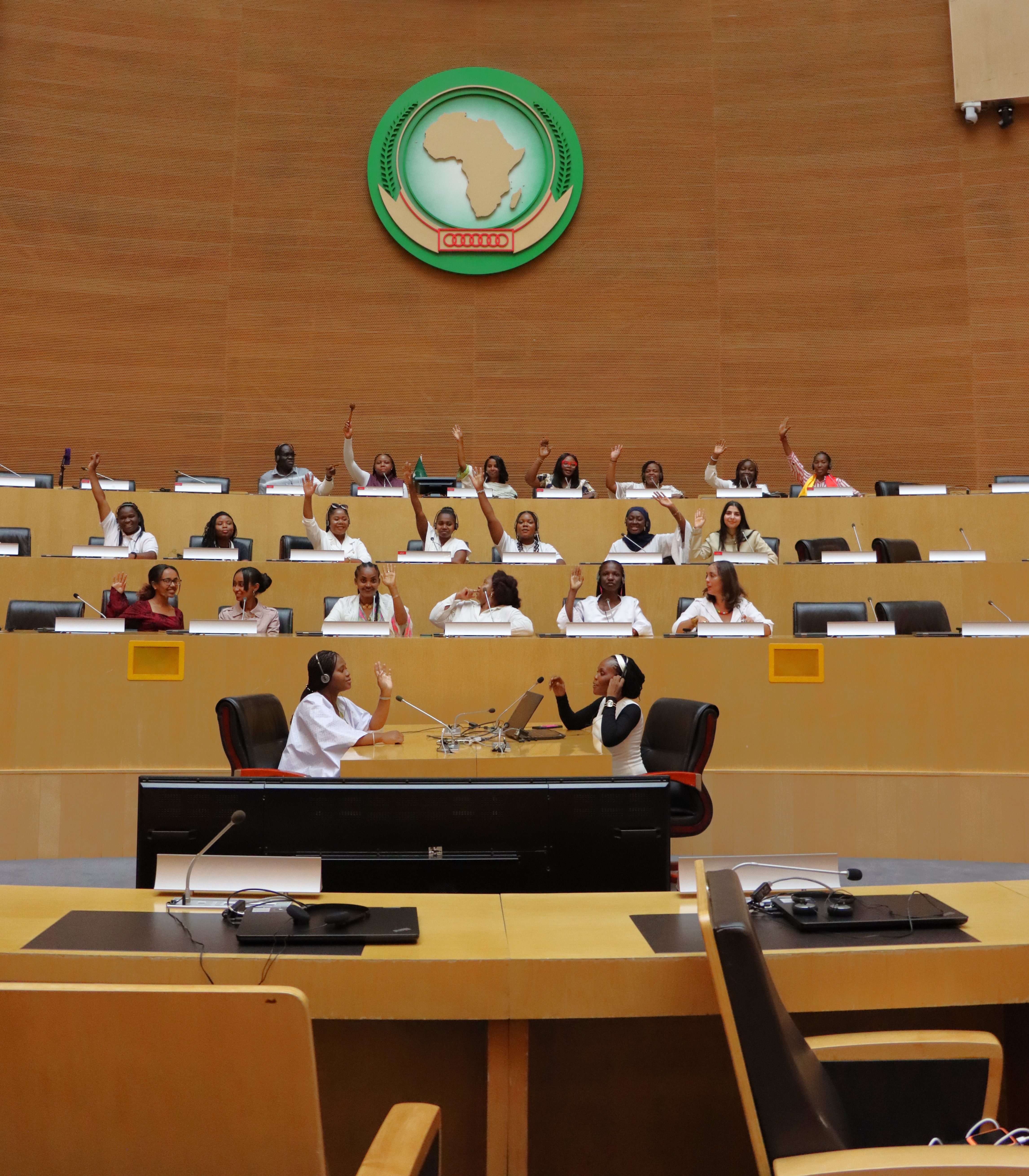
They Are Not the Future: Young Feminists Are Already Shaping Africa’s Climate Future
Across Africa, the climate crisis is no longer a distant warning. In one community, prolonged drought is threatening food and livelihoods; in another, floods are washing away homes and crops; elsewhere, unpredictable seasons are making it harder for families to know when to plant, harvest or rebuild. Yet behind these realities are people doing more than surviving. Women, girls and young feminists are organising, adapting and creating solutions in their communities.
The question is whether the systems shaping climate action are ready to listen to them. This question was at the heart of the African Feminist Climate Justice Academy Cohort 4, held in Addis Ababa, Ethiopia, from 7–10 September. Convened by FEMNET, the Academy brought together young feminists from across Africa to interrogate climate action through an African feminist lens and examine what a truly just climate future requires.
Chido Nyaruwata, a participant in the Academy, had heard about it from a friend and thought, “I hope I get to attend one day.” When that day finally came, she said it was everything she had hoped for.
For four days, the Academy became a space for questions that matter. Participants explored the narratives and systems shaping climate negotiations, followed the journey of climate finance, and asked whether resources actually reach the communities they are intended to serve. They examined whose knowledge informs climate policy and why women and girls continue to be framed primarily through vulnerability when they are already leading responses to the crisis. That distinction matters.
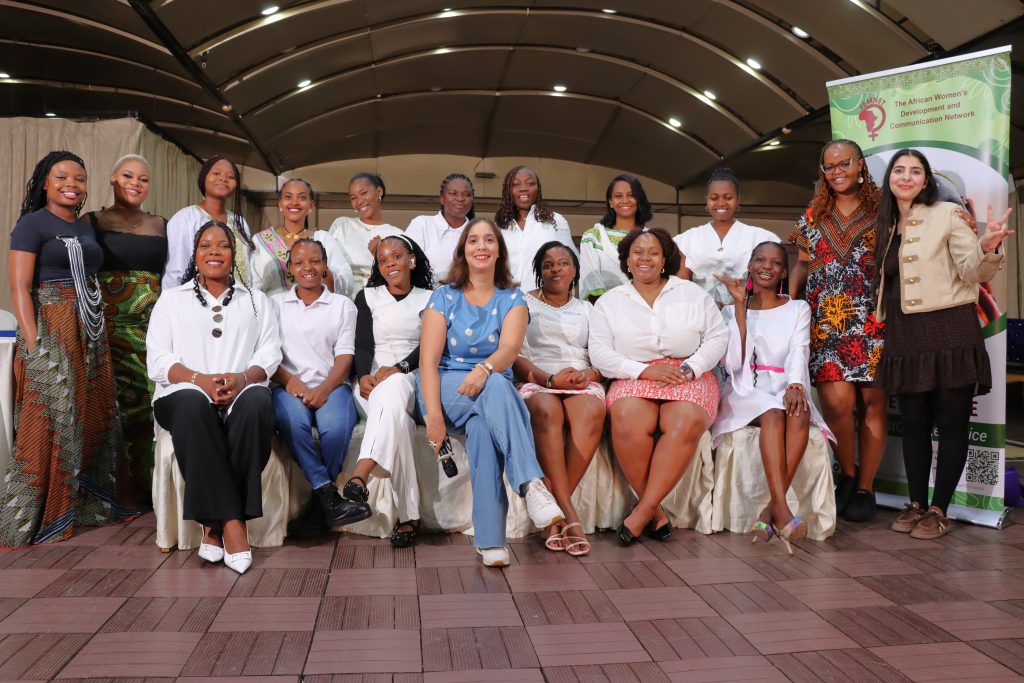
Women and girls across Africa are not merely victims of climate change. They are farmers adapting to changing weather patterns, community organisers protecting livelihoods, activists demanding accountability and young leaders developing locally rooted solutions. Their lived experiences offer knowledge that climate policy cannot afford to overlook.
This is why meaningful participation of girls and young women in climate conversations is not about ticking a box labelled “youth inclusion”. It is about justice.
If young women are living with the consequences of climate decisions made today, they must have a meaningful role in shaping those decisions. They need more than invitations to conferences. They need access to political learning, networks, resources and decision-making spaces where their ideas can influence policy and investment.
The Academy took this principle beyond the classroom. Participants visited the African Union and attended sessions at the Climate Change and Development in Africa Conference, experiencing first-hand the spaces where continental climate priorities are debated. They also engaged with the Africa Resilience Collaborative, where the need to intentionally resource young feminist collectives working on adaptation and locally led solutions was raised.
Because climate finance that does not reach grassroots movements cannot deliver climate justice.
But the Academy was not only about policy, finance or negotiations. It was also about sisterhood. Young feminists from different countries found common ground across different contexts and discovered a continental network of people they can learn from, call on and stand with.
That solidarity is important because feminist climate justice is ultimately about changing how we understand both the crisis and the solutions. It asks us to challenge inequalities, centre lived realities and move resources and decision-making closer to communities.
Africa does not need to wait for young women to become “future leaders”. They are already leading.
Their voices belong in climate negotiations. Their knowledge belongs in policy. Their collectives deserve investment. And their solutions deserve to be taken seriously.
The African Feminist Climate Justice Academy is one step towards that future. But the real test is what happens after the Academy ends: whether the doors opened remain open, whether resources follow the ideas, and whether young feminists are trusted not just to participate in the climate conversation, but to help shape its direction.
They are not waiting for the future. They are already building it.
Related Tags
Related Posts
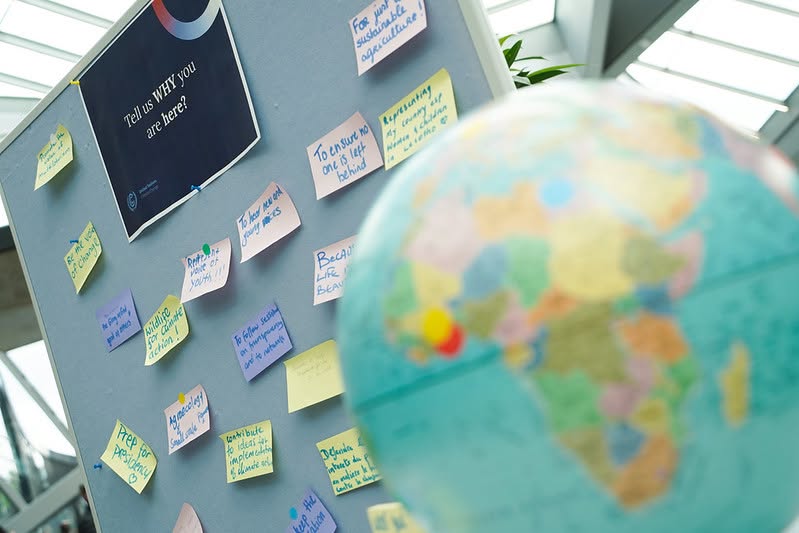
Why the Gender Action Plan Matters More Than Ever
As delegates packed their bags and departed Bonn following the conclusion of the 64th Session of the UN
Learn More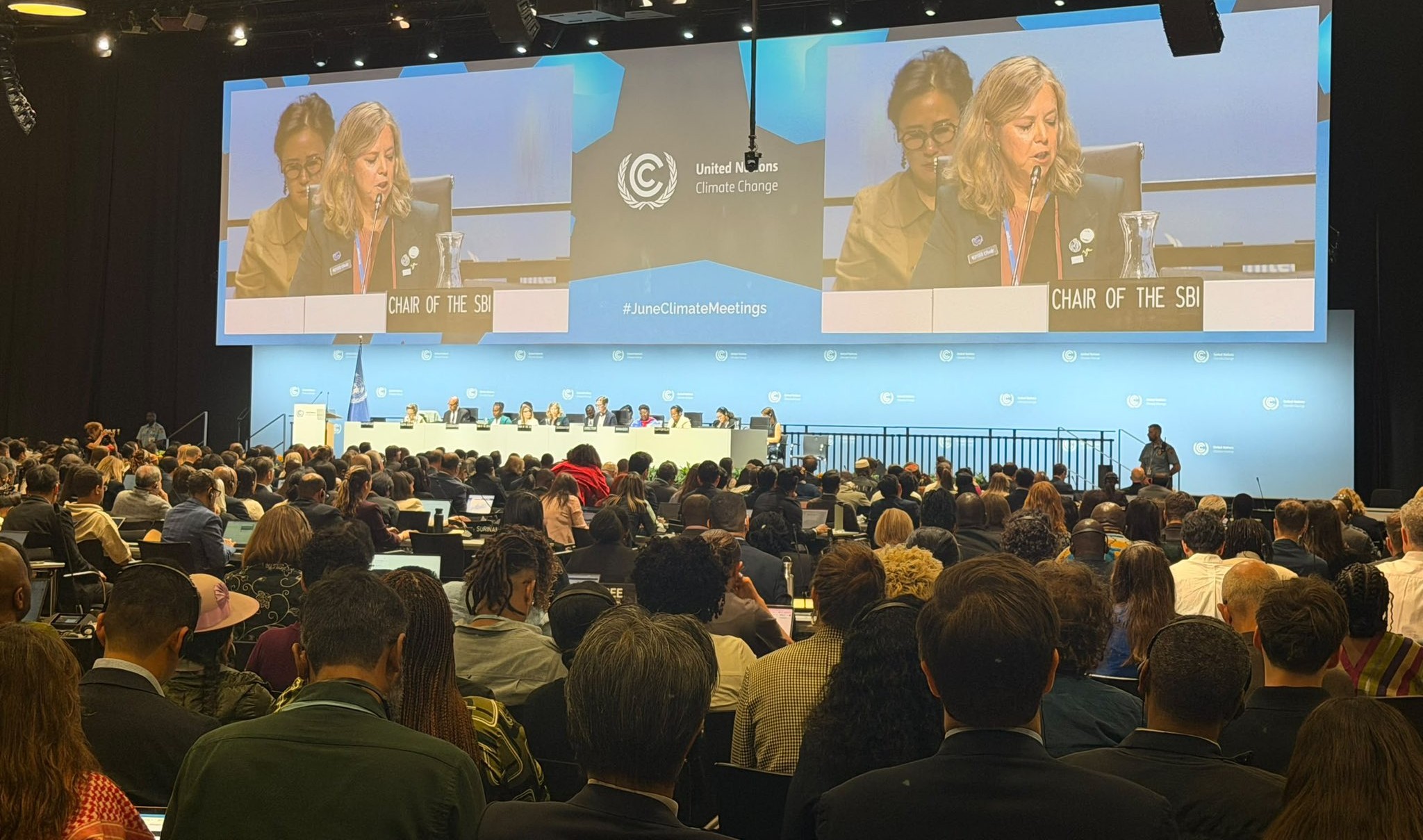
Feminist Climate Financing: Moving Beyond Promises to Justice at SB64
As negotiators gathered in Bonn for the 64th Session of the UN Climate Change Subsidiary Bodies (SB64), one
Learn More