
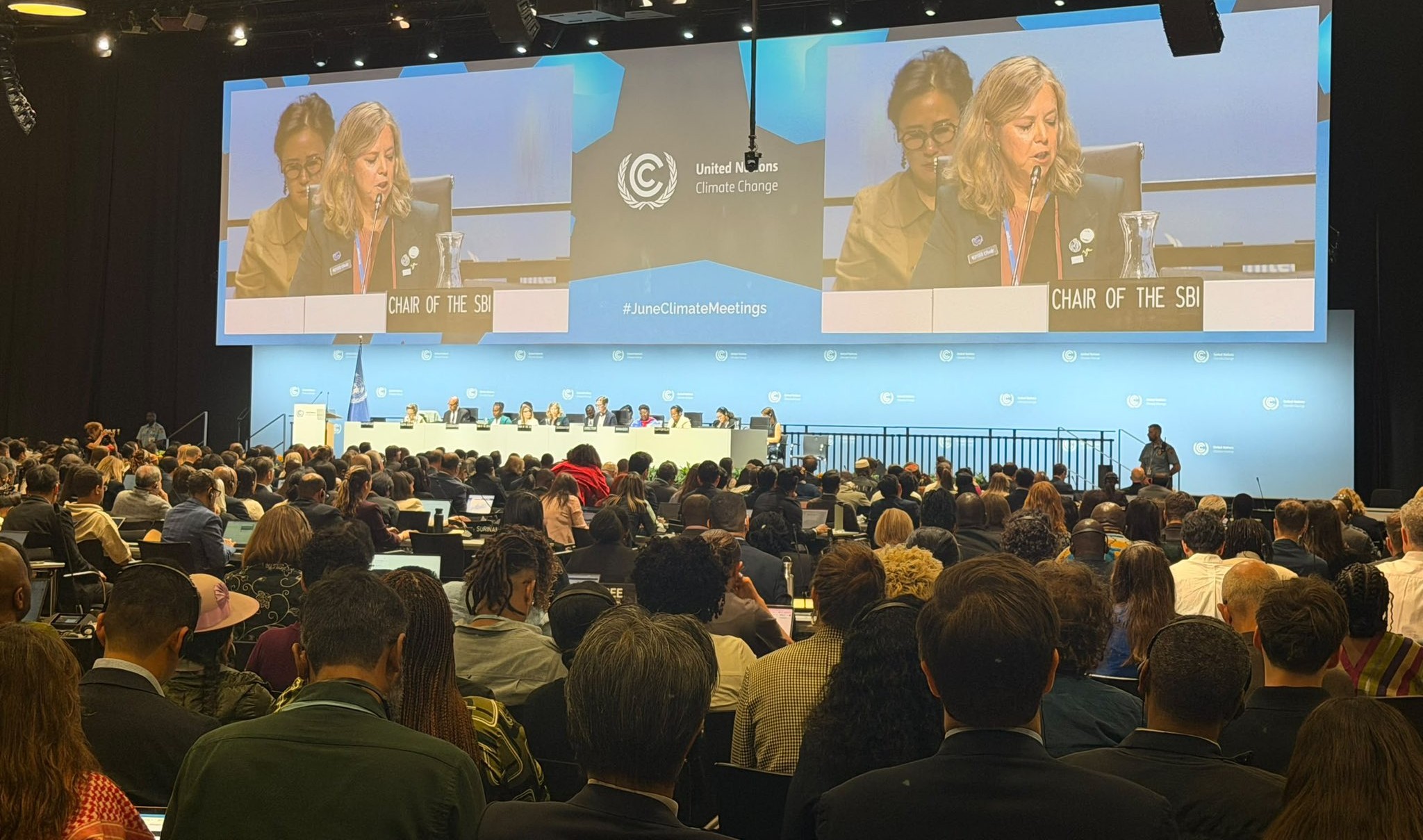
Feminist Climate Financing: Moving Beyond Promises to Justice at SB64
As negotiators gathered in Bonn for the 64th Session of the UN Climate Change Subsidiary Bodies (SB64), one issue remained impossible to ignore: climate action without finance is merely an aspiration. For African women and communities on the frontlines of climate impacts, delayed financing translates into failed harvests, lost livelihoods, increased care burdens, displacement, and deepening inequalities.
While discussions at SB64 sought to advance implementation following commitments made at COP30 in Belém, the negotiations exposed persistent fault lines around climate finance, adaptation, and historical responsibility. Once again, developing countries called for predictable, adequate, and grant-based finance, while developed countries hesitated to commit to the scale and urgency required. The result was familiar: ambitious rhetoric accompanied by insufficient resources.
Climate Finance is a Feminist Issue
Climate change is not gender neutral. Across Africa, women and girls disproportionately bear the impacts of droughts, floods, food insecurity, and biodiversity loss due to existing structural inequalities that limit access to land, finance, technology, and decision-making spaces.
Yet despite being at the forefront of adaptation and resilience building, women’s organizations receive only a fraction of international climate finance. Even less reaches grassroots feminist movements that possess the local knowledge and community trust necessary to deliver transformative climate solutions.
A feminist approach to climate finance recognizes that financing mechanisms are not simply technical instruments; they are political choices that determine whose lives are protected, whose knowledge is valued, and whose futures are prioritized.
The Finance Debate in Bonn
At SB64, adaptation finance emerged as one of the most contentious negotiation tracks. African negotiators and civil society organizations pushed for stronger implementation of commitments to triple adaptation finance and demanded clarity on how these resources would be mobilized and delivered.
Developing countries argued that adaptation finance must remain public, predictable, and accessible rather than rely heavily on private investment and blended finance models that often prioritize profitability over justice. Adaptation generates public benefits — resilient communities, food security, and protected ecosystems — and therefore requires public responsibility.
For African countries, the concern is not simply the quantity of finance but also its quality. Too often, climate finance arrives as loans that increase debt burdens for countries that contributed least to the climate crisis. Even when funding exists, cumbersome accreditation requirements and complex application procedures prevent local actors, particularly women’s rights organizations, from accessing it.
What Feminist Climate Financing Looks Like
Feminist climate financing demands a shift away from extractive and inequitable financing systems towards approaches rooted in care, justice, and solidarity. This means:
- Prioritizing grants over loans for adaptation and loss and damage responses.
- Ensuring direct access to finance for local communities and feminist movements.
- Recognizing unpaid care work and the disproportionate burdens climate change places on women and girls.
- Investing in locally led adaptation solutions designed by women and communities themselves.
- Embedding gender-responsive budgeting and accountability mechanisms across climate funds.
- Reforming global financial systems that continue to classify African countries as high-risk investment destinations while ignoring the historical responsibility of high-emitting nations.
As highlighted throughout the Bonn discussions, the climate finance challenge is not a shortage of money but a failure in how risk, responsibility, and access are distributed globally. The current system continues to price vulnerable countries out of the finance they need to survive and adapt.
From Bonn to COP31: Delivering Justice, Not Dialogues
The road from Bonn to COP31 in Antalya must not become another journey filled with consultations, workshops, and roadmaps that fail to translate into action for communities on the ground.
For African feminists, implementation means more than technical progress. It means women farmers have access to climate-resilient agriculture. It means communities recovering from floods without falling into debt. It means recognizing indigenous and local knowledge as central to climate solutions. It means financing that reaches the last mile rather than remaining trapped in international institutions and bureaucratic systems.
Climate justice cannot be achieved while the financial architecture that governs climate action continues to reproduce historical inequalities. The question facing the international community is no longer whether climate finance is needed. The question is whether political leaders are prepared to finance justice.
As feminist movements across Africa continue to remind the world, there can be no just transition without gender justice, and there can be no gender justice without feminist climate financing.
Related Tags
Related Posts
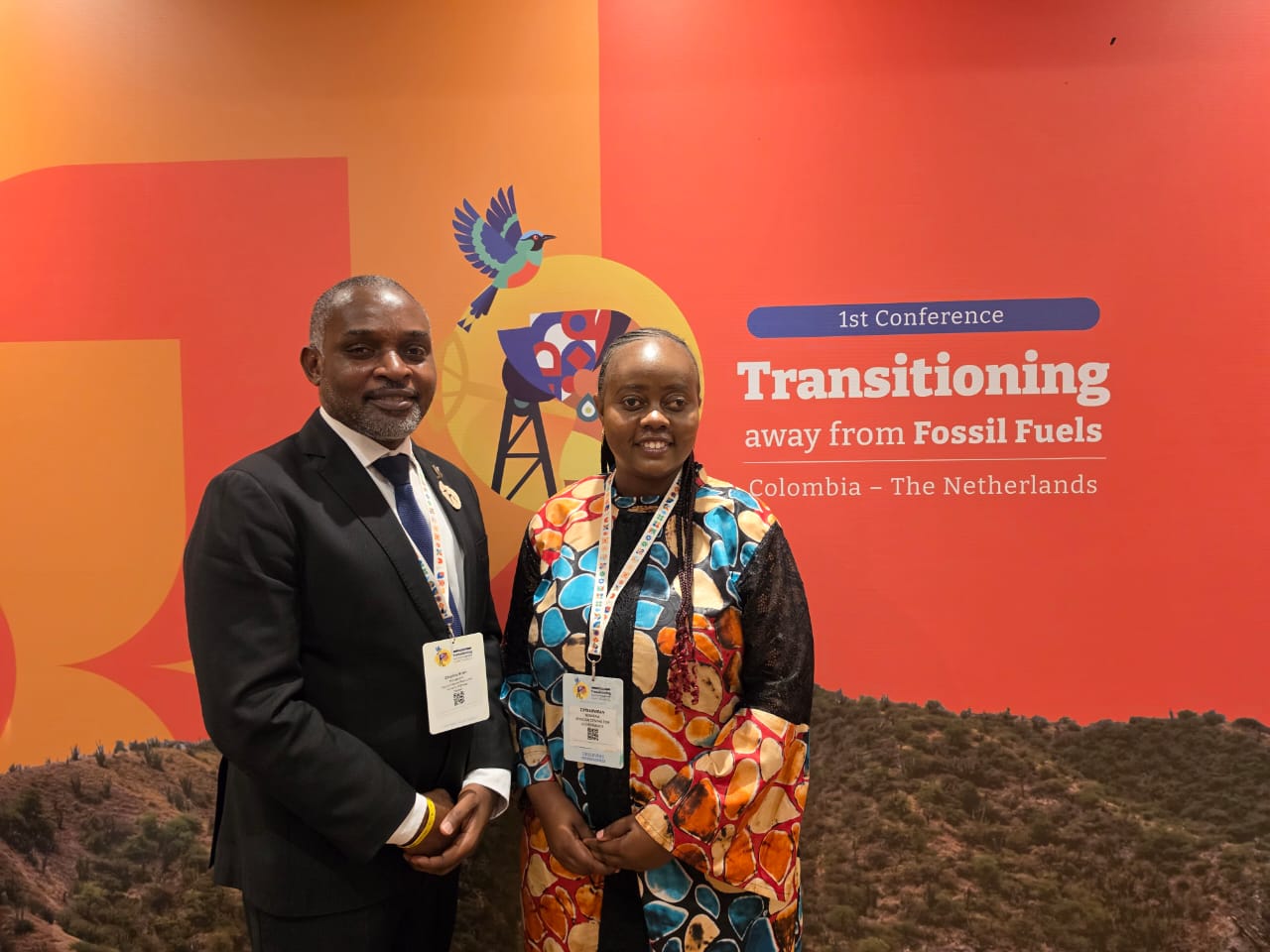
The Transition We Want: Centering Africa in Global Climate Action
By Kundai Ngwena - Climate Change and Environment Advocate At the first-ever Transitioning Away from Fossil Fuels Conference [...]
Learn More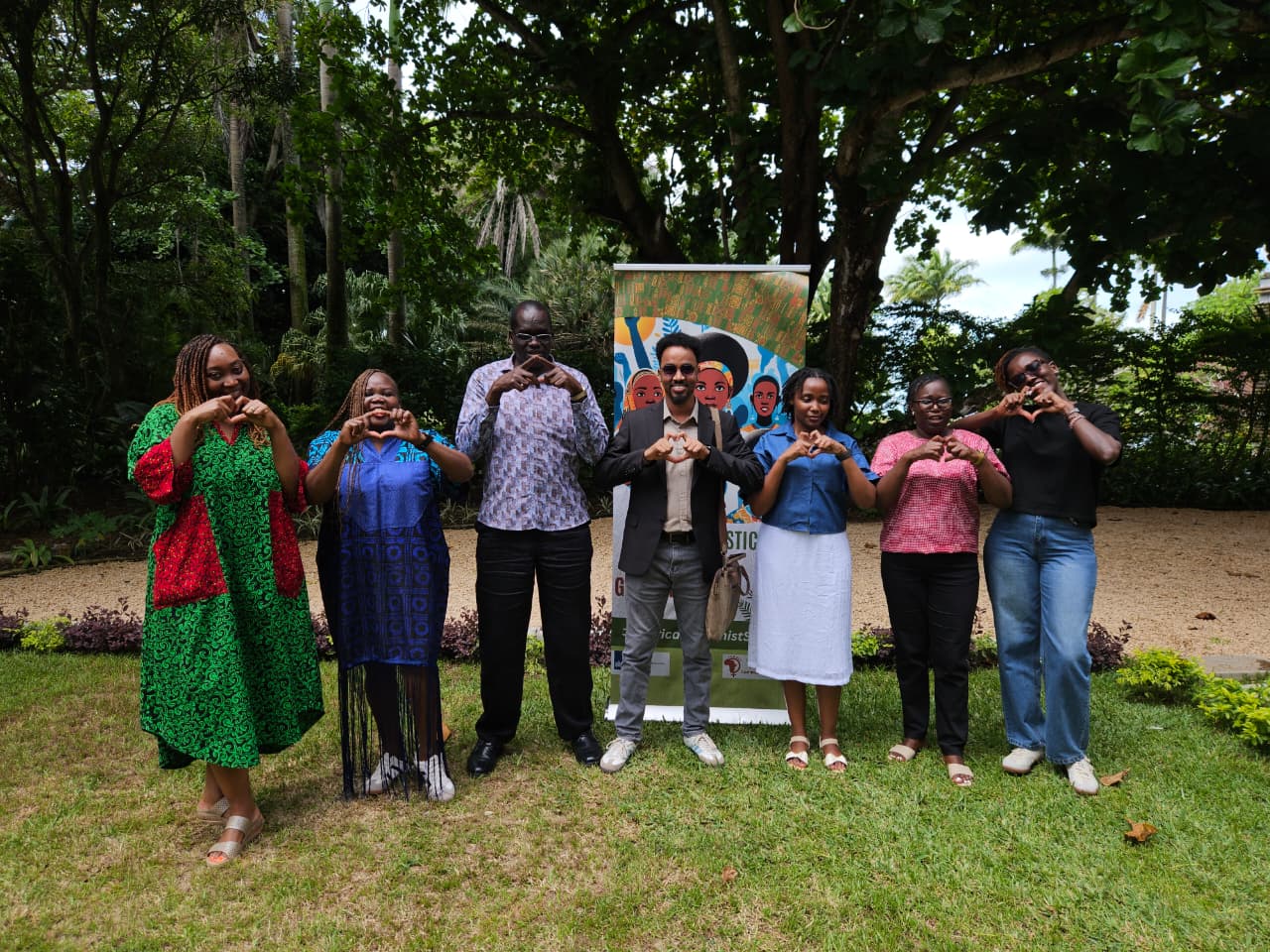
Aluta Continua: Inside the AACJ Journey of Feminist Climate Justice in Africa
When the African Activists for Climate Justice (AACJ) Project began in 2021, it was driven by a clear
Learn More