
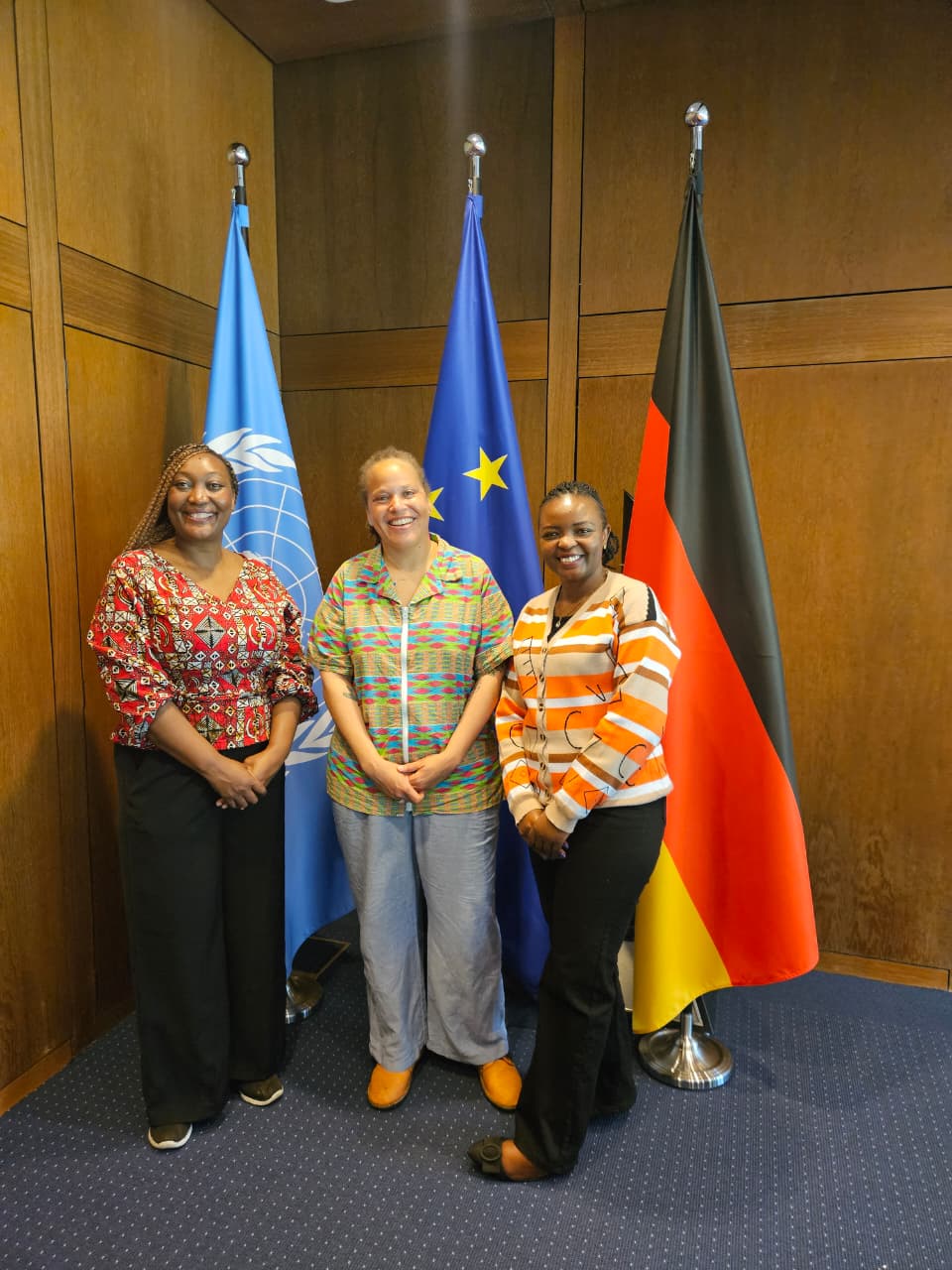
Strengthening Partnerships for Feminist Futures: Reflections from Our Visit with BMZ
There is something powerful about pausing in the middle of busy global negotiations to reconnect with partners who have walked the journey with you. During our time in Bonn, Germany, for SB64, we had the pleasure of paying a courtesy visit to the Federal Ministry for Economic Cooperation and Development (BMZ). The meeting offered an opportunity to reflect on our longstanding partnership and the impact we have collectively achieved through the We Lead programme.
Implemented as part of a consortium led by UAF-Africa, We Lead sought to advance Sexual and Reproductive Health and Rights (SRHR) for young women from communities that are often excluded from decision-making spaces and access to services, including young women living with HIV and young women with disabilities. Through the programme, we witnessed firsthand the transformative power of investing in young feminist leadership and creating spaces where marginalized voices can shape policies and solutions that affect their lives. As discussions unfolded, there was a shared recognition of the need to build on these successes and continue investing in feminist approaches to development that leave no one behind.
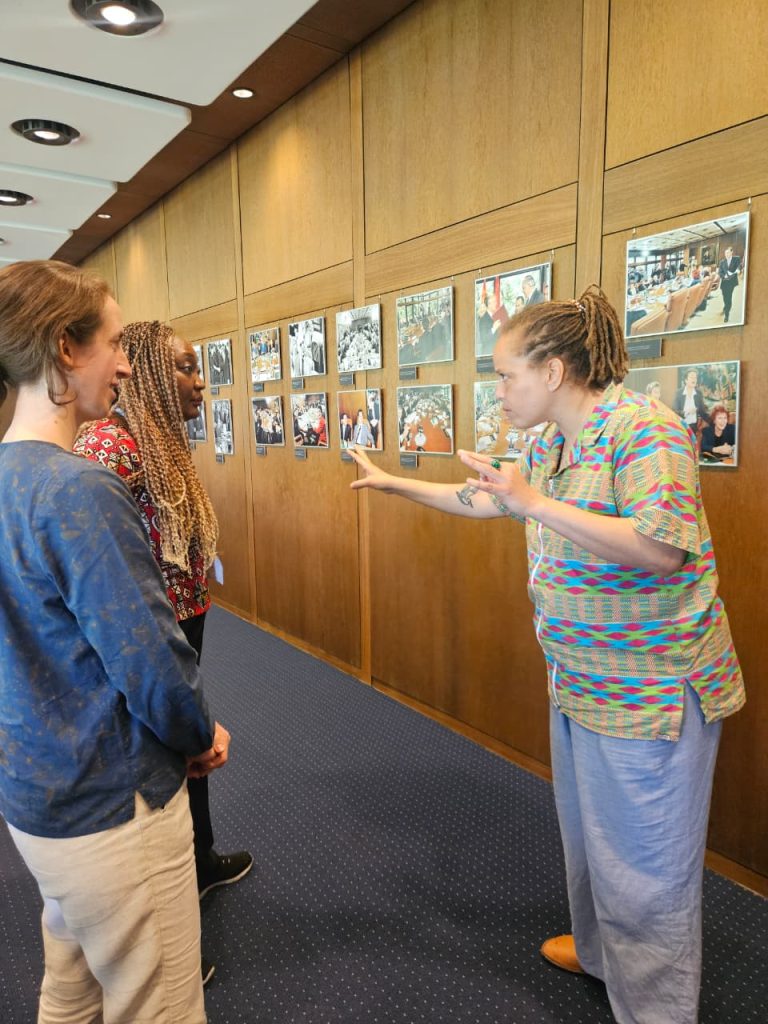
Our conversations also turned to the evolving global context for gender equality and women’s rights work. At a time when anti-rights and anti-gender movements are gaining momentum across different regions, it has become increasingly important to safeguard the gains that feminist movements have fought so hard to achieve. We reflected on the risks posed by regressive policies and initiatives that threaten commitments enshrined in landmark frameworks such as the Maputo Protocol and the Beijing Platform for Action, and on the importance of strengthening collective responses to these challenges.
A particularly encouraging outcome from the meeting was the shared understanding that there remains significant opportunity to support feminist organizations working at the intersection of gender justice, human rights and social inclusion. While no commitments were made, the discussions reaffirmed the relevance and urgency of continuing to invest in work that gives visibility to communities facing discrimination and exclusion, particularly in a time of growing backlash against gender equality.
Beyond policy and partnerships, the visit also offered moments for reflection on women’s leadership and the structural barriers that continue to shape political participation and decision-making. Conversations around Germany’s political history, including experiences during Chancellor Angela Merkel’s tenure, highlighted how systems themselves often become obstacles for women seeking leadership roles. The discussion served as an important reminder that achieving gender equality requires more than increasing representation; it calls for systemic change that transforms institutions, redistributes power and creates environments where women can lead, influence and thrive.
As we left the meeting and enjoyed a beautiful walk through Bonn, we carried with us a renewed appreciation for the value of partnerships grounded in shared values and mutual learning. In a rapidly changing world, these connections remain essential in advancing the collective vision of a more just, equal and feminist future.
Related Tags
Related Posts
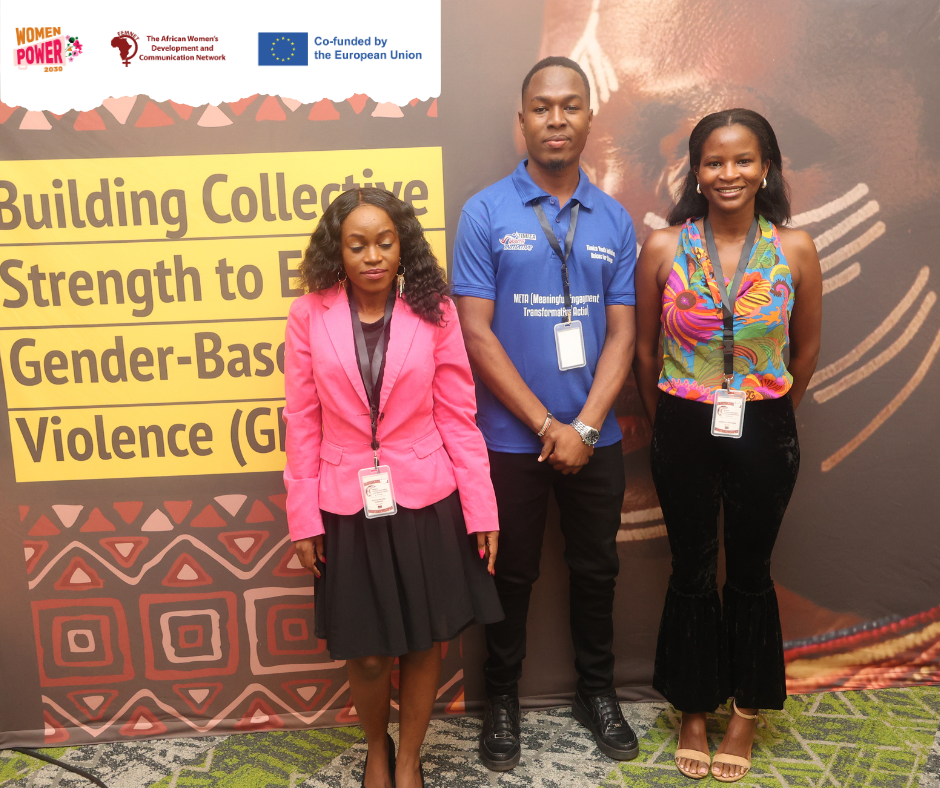
Beyond Survival: Healing the Invisible Wounds of GBV and Mental Health
On the sidelines of the Reshaping an African Feminist Agenda to End Gender-Based Violence convening hosted by FEMNET,
Learn More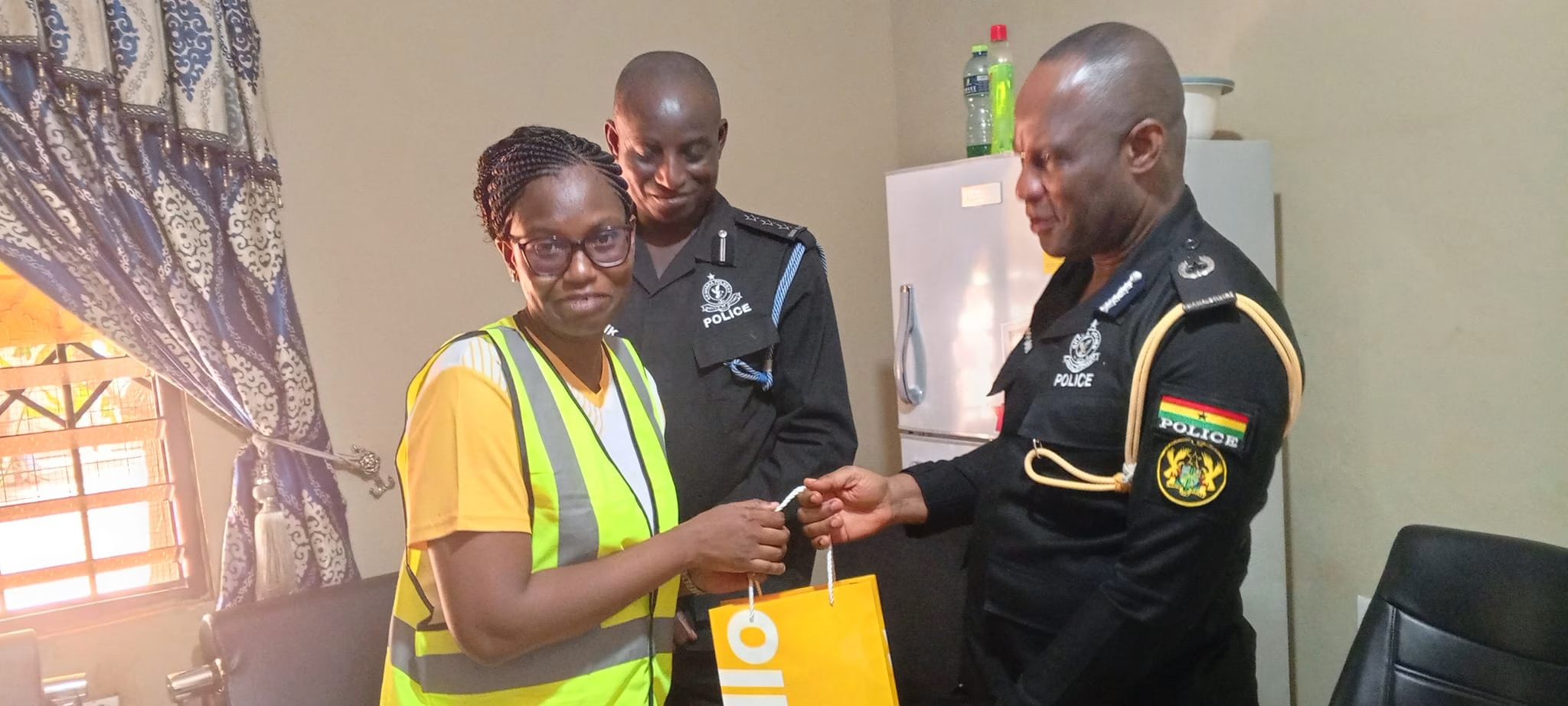
Sharon Bakuchama: Leading the Fight Against Child Marriage in Northern Ghana
In Northern Ghana, where child marriage remains a persistent challenge, Sharon Bakuchama, a 25-year-old young woman, has emerged
Learn More