
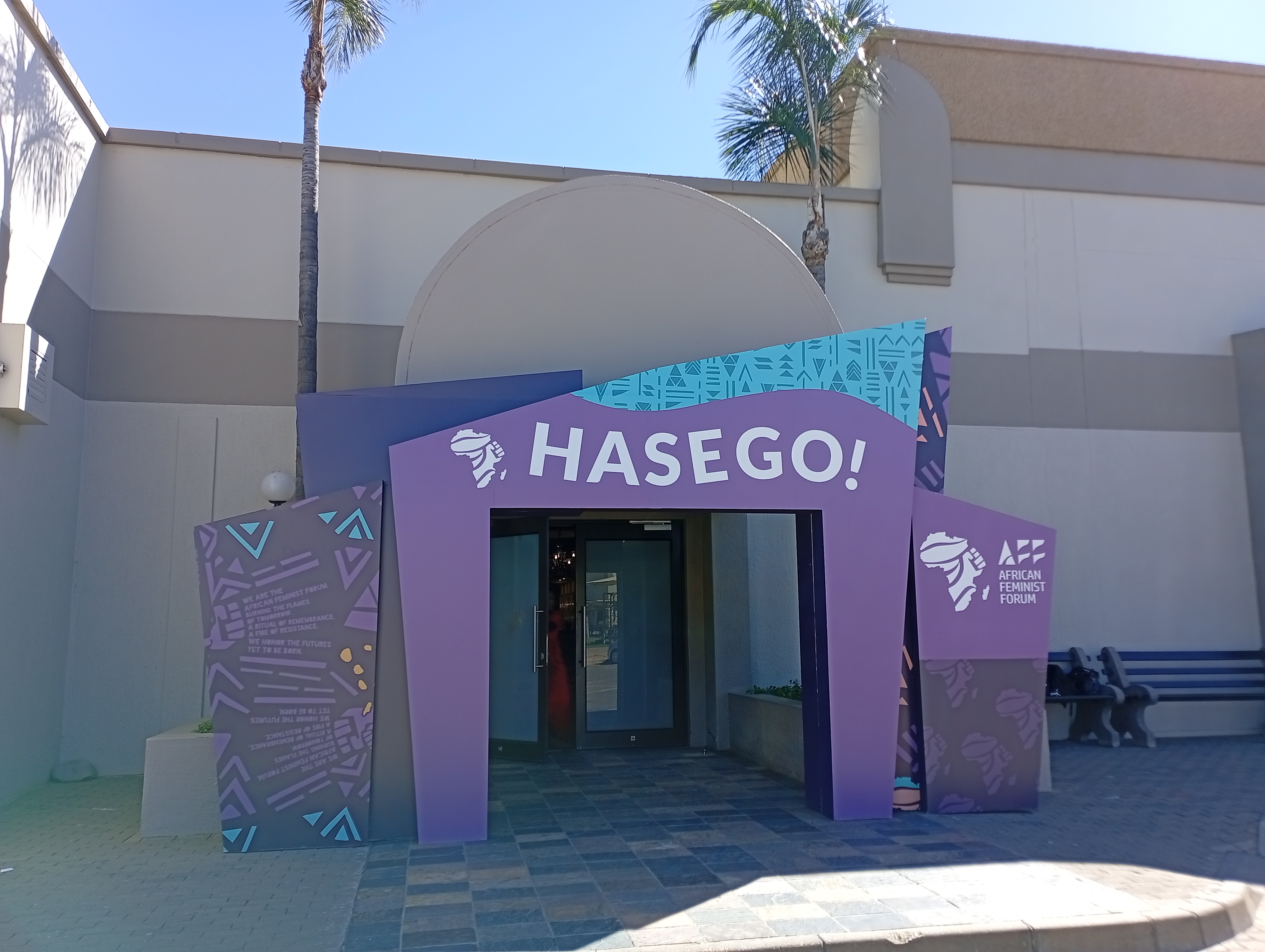
HASEGO: We Arrived, We Gathered, We Connected
Author: Julie Okiro, FEMNET
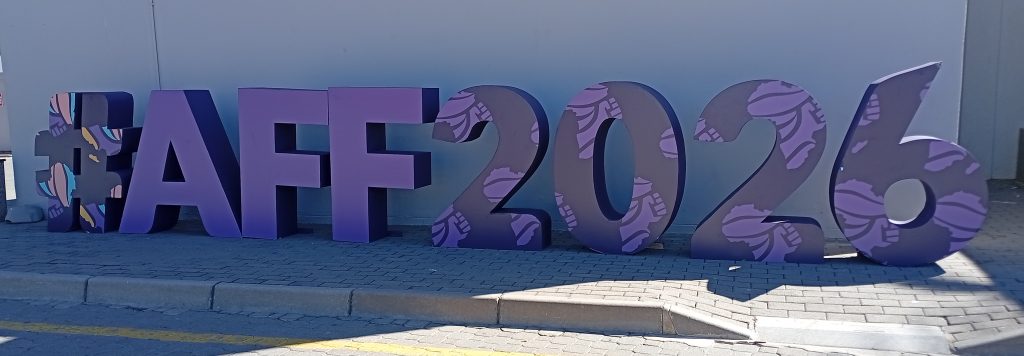
For three days, from 10–12 August 2026, African feminists from across the continent and the diaspora gathered in Windhoek, Namibia, for the fifth edition of the African Feminist Forum (AFF), convened by the African Women’s Development Fund (AWDF). Twenty years after more than 100 African feminists came together to adopt the Charter of Feminist Principles for African Feminists, this Forum offered a moment to pause, remember where we have come from, interrogate where we are, and imagine where we want to go next.
Under the powerful theme, “HASEGO – The Womxn Has Arrived,” we arrived carrying everything that makes our movements what they are: our histories, struggles, dreams, contradictions, victories, and unfinished battles. We arrived not only as individuals, but carrying the hopes and realities of our communities and movements. And perhaps the most important question we carried with us was simple, yet profound: What does it mean to arrive as African feminists at this moment?
There was never going to be one answer. To arrive meant showing up fully and unapologetically in our diversity. We came from different countries, generations, political traditions, languages, identities and lived realities. We did not always agree, and we were not expected to. But AFF reminded us that disagreement does not have to mean departure. Feminist movements are living, breathing spaces where ideas are contested, assumptions are challenged, and new possibilities emerge. We can argue, disagree and still choose solidarity. We can hold complexity without losing sight of our collective struggle.
That is what made AFF more than just another convening. It was a space for autonomous, inclusive African feminist thinking, organising and collective action, grounded in the realities of African women and gender-diverse people while holding firmly to a vision of a just and liberated Africa.
One question, in particular, stayed with me: Who owns the table?
For years, women have been told to “bring their own chair” when they are excluded from spaces of power. But AFF pushed us to ask a more fundamental question: Why should we keep asking for a seat at tables that were never designed with us in mind? What would it look like to build our own tables, own them, set the agenda, establish the rules and create spaces where our presence does not depend on somebody else’s invitation?
This is where feminist power becomes transformative. It is not simply about gaining access to existing systems. It is about building our own power, institutions, relationships and movements—and using that collective power to change the systems that continue to reproduce inequality.
And if there was one thing the Forum made clear, it is that power fears organised people. As one powerful reflection reminded us, “Power fears movements. Power fears organisations.” Our task, then, cannot simply be to gather. We have to organise. We have to deepen relationships, strengthen grassroots movements, build intergenerational solidarity and create structures that can withstand the pressures that so often fragment movements.
Twenty years of the Charter also gave us reason to remember. African feminist movements did not begin yesterday. Long before many of us found the language to name feminism, African women were organising, resisting, caring for communities, challenging power and creating pathways towards survival and liberation. The knowledge, courage and wisdom of those who came before us are part of our collective inheritance. Preserving that knowledge and passing it on is therefore not just an act of remembrance; it is movement work.
The Charter remains an important compass, but twenty years on, AFF also invited us to ask difficult questions. What still serves us? What needs to evolve? Who is missing? What do our movements need to survive, thrive and remain accountable to the people at the heart of our struggles?
Because the work is unfinished, and so is the imagining.
As we left Windhoek, the call was therefore not simply to celebrate that “the womxn have arrived.” It was to ask what we will do with our arrival. How will we deepen our organising? Whose voices will we make room for? What tables will we build and own? How will we carry forward the wisdom of those who came before us? And, perhaps most importantly, what feminist futures are we prepared to build together? Thanks to AWDF for convening and sustaining power of feminist spaces. My participation was made possible by the support of Women Power ✊🏾
HASEGO. We arrived. We gathered. We connected. And now, we organise🌍
