
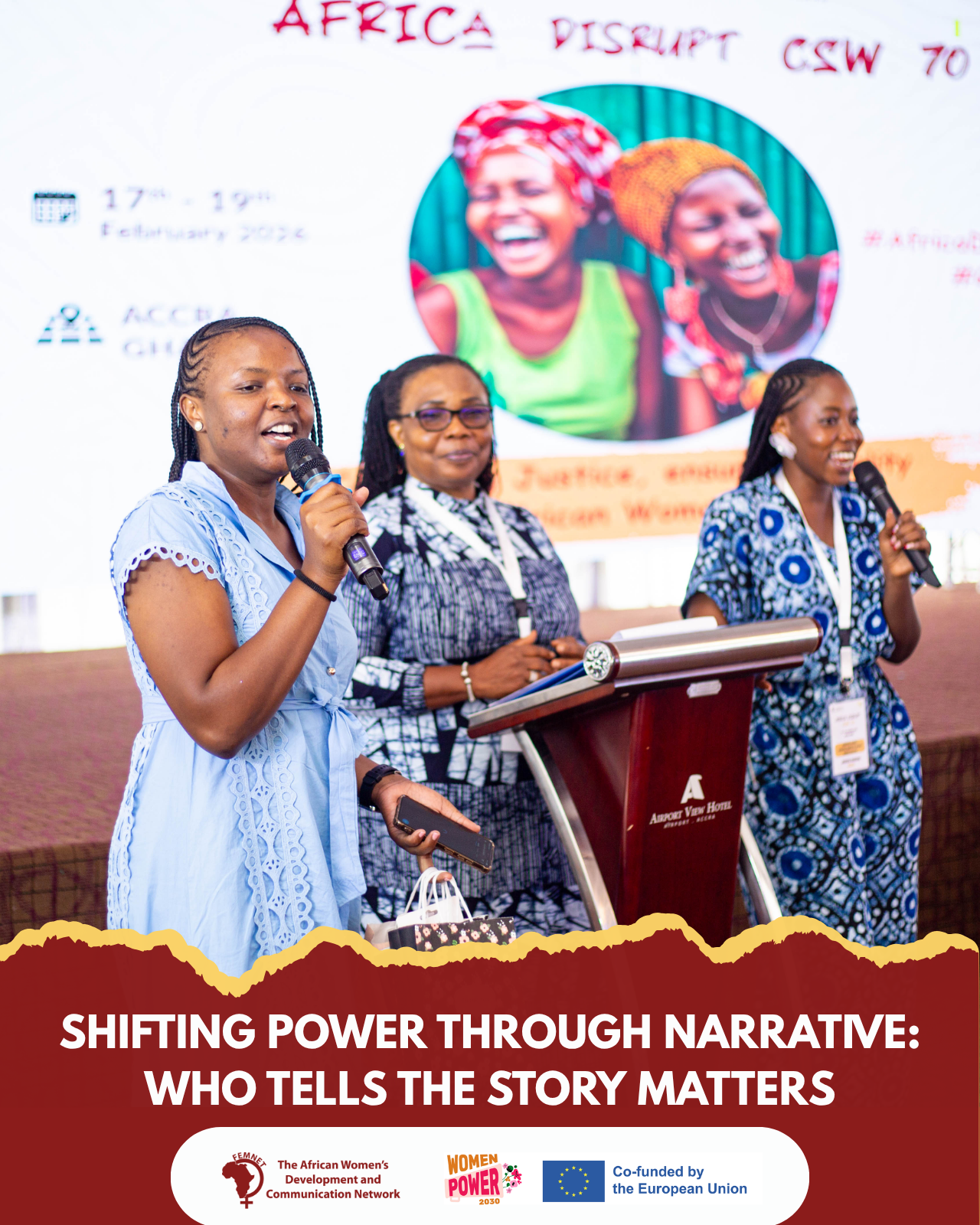
Shifting Power through Narrative: Who Tells the Story Matters.
Stories don’t just sit quietly on the page; they move people, shift policy, spark outrage, build solidarity, and sometimes, quietly reshape history. In Accra, Ghana, at the Africa Disrupt CSW70 convening held from 17th to 19th February under the theme “Centring Justice, Ensuring Equality for African Women and Girls,” one thing became clear very quickly: whoever controls the story controls the direction of the conversation and often, the pace of change itself.
Across three intense days, advocates, feminist leaders, communicators, and movement builders found themselves returning to one urgent question in different ways: How do we tell stories that don’t just inform, but actually transform? That question found its sharpest expression in the Storytelling for Advocacy Skills Lab, but it also echoed through every other lab, every discussion, and every exchange in the room.
Storytelling as a Tool for Power and Change
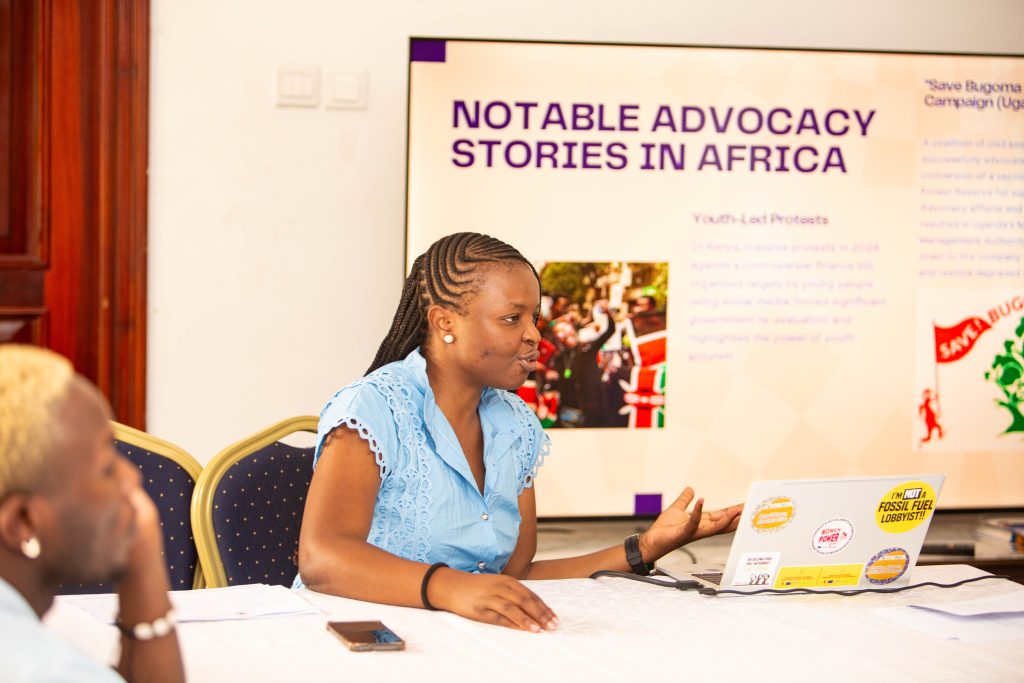
The Storytelling for Advocacy Skills Lab began by challenging a familiar habit in advocacy spaces: the tendency to lean heavily on data, reports, and technical language while underplaying the human experiences behind them. The lab didn’t dismiss evidence, far from it. Instead, it pushed participants to see that evidence becomes even more powerful when it is carried through stories that people can feel, remember, and relate to.
What emerged was a shared understanding that storytelling in advocacy is not about embellishing reality. It is about translating truth into something that can travel further, across policy rooms, media spaces, and community conversations, without losing its integrity. Participants worked with the idea that ethical storytelling matters just as much as compelling storytelling: consent, dignity, and respect are not optional details; they are foundational principles. And perhaps most importantly, storytelling was reframed not as a “soft skill,” but as a strategic tool of influence and power.
Building Narratives That Shift Systems
From there, the conversation naturally deepened into framing. Because stories don’t land in a vacuum, they land in systems already shaped by bias, culture, and power.
Participants examined how easily narratives can either reinforce harmful stereotypes or actively challenge them. They explored the difference between telling stories that position women and girls as passive recipients of help, versus stories that highlight their leadership, resistance, and agency. That shift in framing is not cosmetic; it determines how issues are understood and whether they are taken seriously in policy and public discourse.
The lab also emphasized that storytelling becomes most powerful when it is intentional. A good advocacy story doesn’t just describe what is happening—it connects to why it matters, who is responsible, and what needs to change. In that sense, storytelling becomes less about isolated narratives and more about building a coherent advocacy thread that moves from lived experience to systemic change.
From Individual Stories to Collective Power
As the discussion evolved, another important truth surfaced: individual stories are powerful, but they are not meant to stand alone.
When connected, they form patterns. And when patterns are named, they become evidence of systems. Participants reflected on how storytelling can move beyond highlighting harm to also showing resistance, organizing, and the quiet but powerful ways communities are already building solutions.
This is where storytelling starts to feel less like communication and more like movement-building. It becomes a way of connecting dots across geographies, experiences, and struggles—so that what might look like isolated stories are understood as part of a much greater demand for justice.
Language in Advocacy
If storytelling is about shaping meaning, then language is about sharpening it. The Language in Advocacy Skills Lab picked up this thread by turning attention to the words we use and the worlds they quietly create.
Participants reflected on how language can either open doors or close them, sometimes without anyone noticing. A single phrase can reinforce exclusion, while a small shift in wording can make space for dignity, clarity, and rights. The lab reinforced the importance of using language that is intentional, feminist, and grounded in justice, language that does not water down reality, but instead names it with precision and care.
This session tied directly back to storytelling: because no story exists outside of language. And if language is not carefully considered, even the most powerful story can lose its impact or unintentionally reproduce the very inequalities it seeks to challenge.
Monitoring Opposition
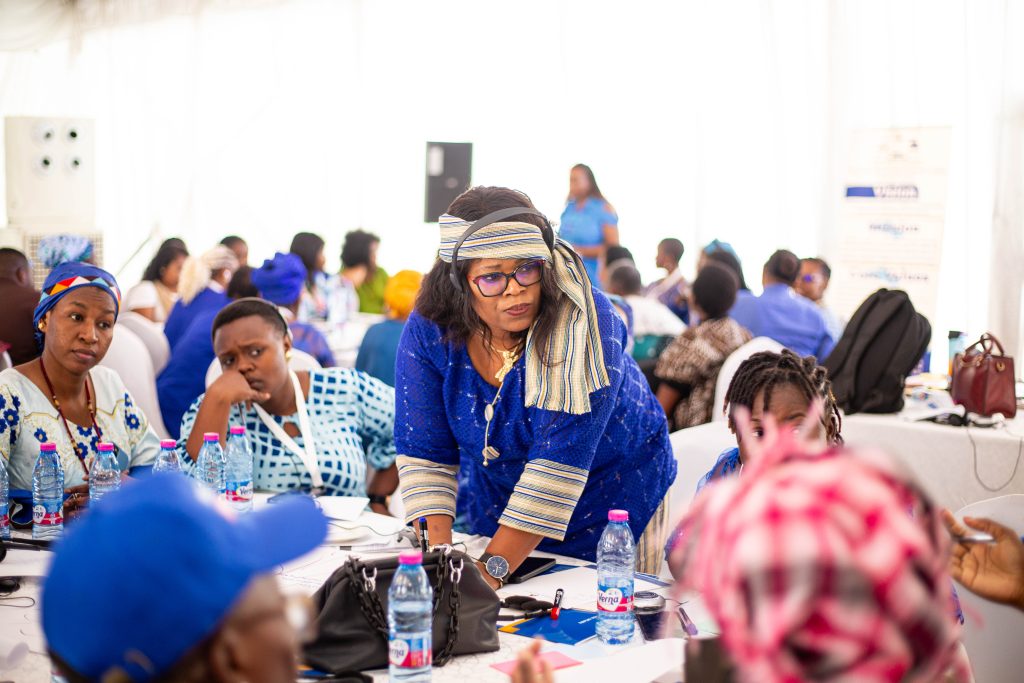
From there, the focus shifted outward to the contested space where advocacy lives, through the Monitoring Opposition Skills Lab, because every narrative for justice exists alongside narratives that resist it.
Participants explored how anti-rights movements operate—how they shape messaging, influence public opinion, and attempt to roll back gains on gender equality. The session emphasized that these narratives are not random; they are strategic, often well-resourced, and increasingly sophisticated.
But the goal here was not alarm it was clarity. Participants were encouraged to build the skill of listening critically to opposition narratives without amplifying them, to track patterns without being distracted by noise, and to respond strategically rather than reactively. In doing so, advocacy becomes not only proactive but also resilient, anticipating shifts in discourse before they take root.
Resourcing the Work
Finally, the conversation grounded itself in sustainability through the Resourcing the Work Skills Lab because no matter how powerful a story, how sharp the language, or how strategic the response, advocacy cannot survive on intention alone.
This lab expanded the idea of resourcing beyond funding, even though financing remains critical. Participants explored how resources also include relationships, networks, institutional support, and knowledge systems that sustain movements over time.
The key reflection was that resourcing is not just about keeping work alive—it is about keeping it stable enough to grow. It is about moving from survival mode to sustainability, where advocacy is not constantly interrupted by uncertainty but strengthened by diverse and intentional support systems.
Closing Reflection
By the end of the convening, it became clear that the Skills Labs were never meant to function in isolation. They were designed as a connected ecosystem of practice: storytelling gives advocacy its voice, language gives it precision, monitoring opposition strengthens its awareness, and resourcing gives it endurance.
Together, they form a more complete picture of what it takes to centre justice and ensure equality for African women and girls—not just in what we advocate for, but in how we communicate, how we respond, and how we sustain the work over time.
Related Tags
Related Posts
Beyond Survival: Healing the Invisible Wounds of GBV and Mental Health
On the sidelines of the Reshaping an African Feminist Agenda to End Gender-Based Violence convening hosted by FEMNET,
Learn More