
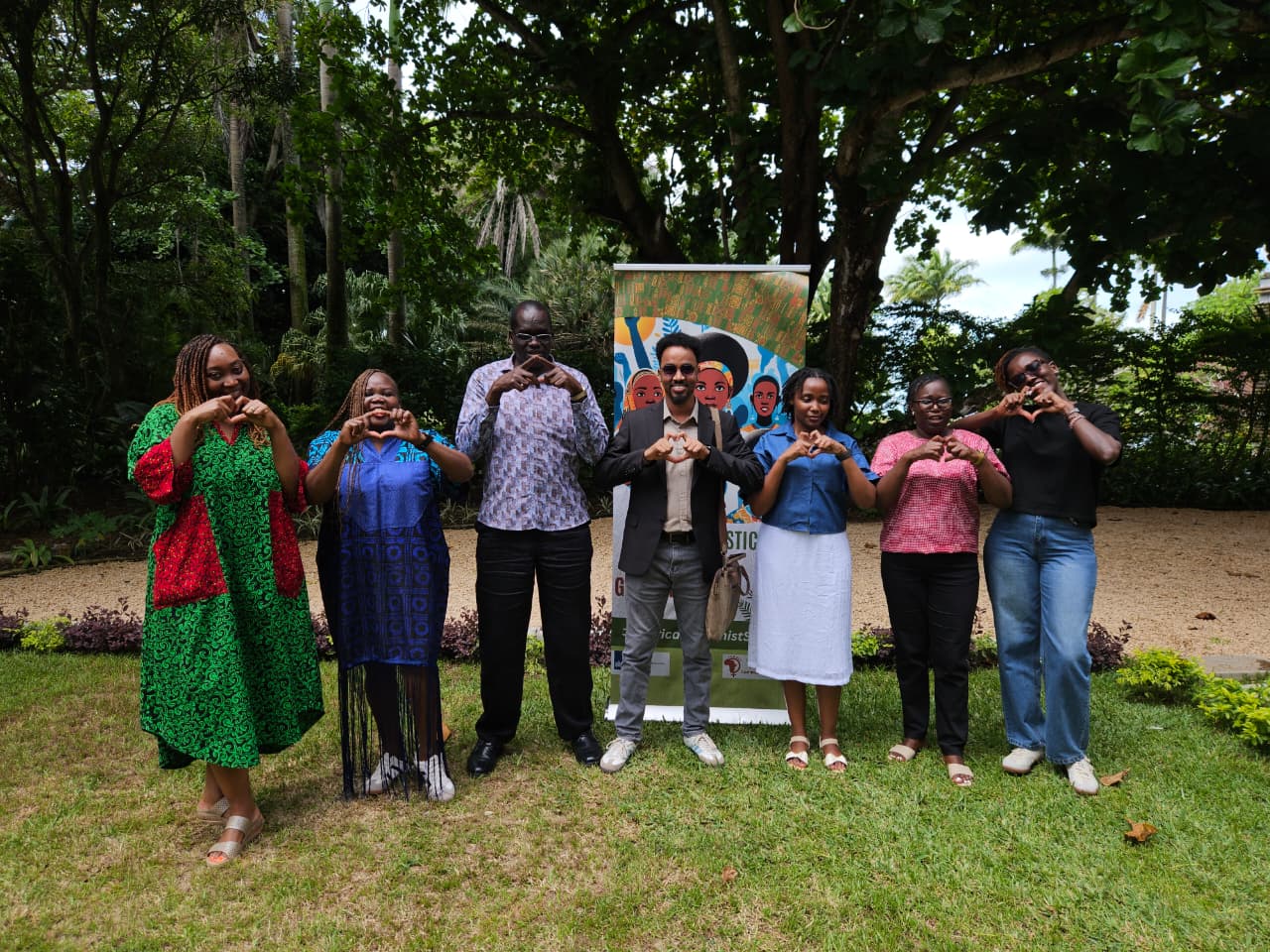
Aluta Continua: Inside the AACJ Journey of Feminist Climate Justice in Africa
When the African Activists for Climate Justice (AACJ) Project began in 2021, it was driven by a clear conviction: climate justice in Africa must be feminist, community-led, and grounded in lived realities. What unfolded over five years was more than a project implementation cycle; it was the steady building of a movement.
Implemented by FEMNET in partnership with organisations across eight African countries, AACJ brought together diverse feminist and grassroots actors who understood that climate justice is not only about policies and negotiations, but also about power, narratives, and collective voice. From Burkina Faso to South Africa, Somalia to Nigeria, partners worked across advocacy spaces, digital platforms, community organising, and media engagement to ensure women and frontline communities were not just visible but influential.
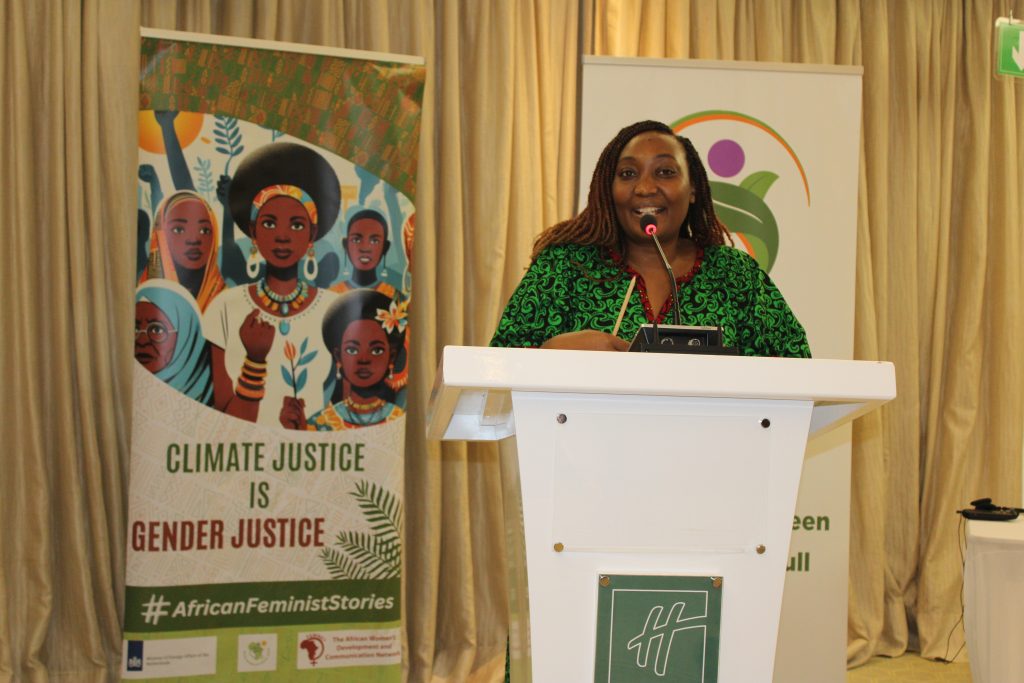
FEMNET’s executive Director, Memory Kachambwa speaking during the Sustainability Forum with AACJ partners in Mauritius.
Looking back, one of AACJ’s most powerful achievements has been movement building. Through sustained capacity strengthening, peer learning, and cross-border solidarity, partners grew not only in skill but in confidence and collective identity. Reflecting on this, Memory Kachambwa, FEMNET’s Executive Director, notes that the project fundamentally reshaped how partners organise and sustain their work:
“AACJ reinforced the understanding that movements are built through people, relationships, and shared purpose. Over the years, we have strengthened our members’ capacity from advocacy and digital organising to media engagement. The journalists’ trainings under AACJ, and the awards that followed for gender-sensitive climate reporting, are a clear testament to how intentional investment in skills and narratives can shift public discourse and sustain movements beyond projects.”
For partners on the ground, working with FEMNET under AACJ meant being part of something bigger than individual country interventions. It meant co-creating a strategy, sharing lessons openly, and standing together in moments of both progress and challenge.
Toyin Chukwudozie, from EVA in Nigeria, reflects on the value of this collective approach and what comes next.
“One of our key focus areas has been engaging school-going children, equipping them with climate knowledge, leadership skills, and a sense of responsibility for their environment. By nurturing climate awareness at a young age, we are investing in a generation that will carry the values and vision of climate justice forward long after the project period.”
In Southern Africa, Wendy Pekeur of Ubuntu Rural Women and Youth Movement highlights how AACJ supported grassroots leadership and long-term organising.
“AACJ did not treat grassroots women as beneficiaries, but as leaders. Through FEMNET’s accompaniment, we strengthened our organising, storytelling, and advocacy skills. The legacy we are carrying forward is community ownership, ensuring rural women and youth continue to lead climate justice actions that speak to their realities, with or without project funding.”
For partners in West Africa, AACJ also created space to bridge local advocacy with regional solidarity. Salimata Ba from Senegal underscores how this has shaped future priorities.
” AACJ helped us connect national struggles to a continental feminist climate justice movement. Through shared learning and collective strategy, we gained tools to engage policymakers and influence climate narratives. Our next step is to deepen regional collaboration and continue advocating for policies that recognise women’s leadership and community knowledge as essential to climate solutions.”
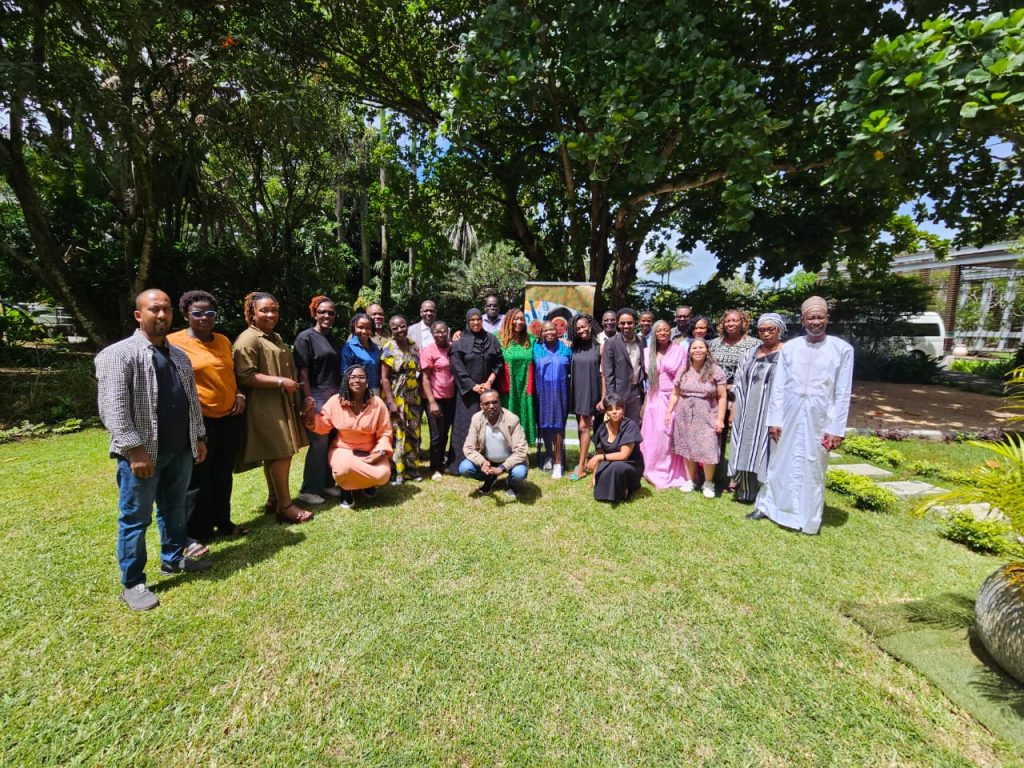
As the project phase concludes, sustainability has emerged not as an afterthought, but as the natural continuation of the work. Through reflection forums, learning reviews, and co-created sustainability plans, partners have been intentional about protecting what has been built: networks, trust, shared values, and collective power.
AACJ’s legacy now lives in strengthened organisations, empowered advocates, skilled communicators, and journalists telling climate stories through a gender-just lens. It lives in the alliances that continue to mobilise, the policies influenced, and the communities that remain organised and engaged.
The end of AACJ’s five-year cycle does not mark a closing chapter. It marks a transition from project to movement, from implementation to continuity. Sustaining AACJ means sustaining the power of collective action, shared learning, and feminist leadership that will continue shaping climate justice across Africa for years to come.
Because movements do not end when projects close. They deepen. They endure.
Related Tags
Related Posts
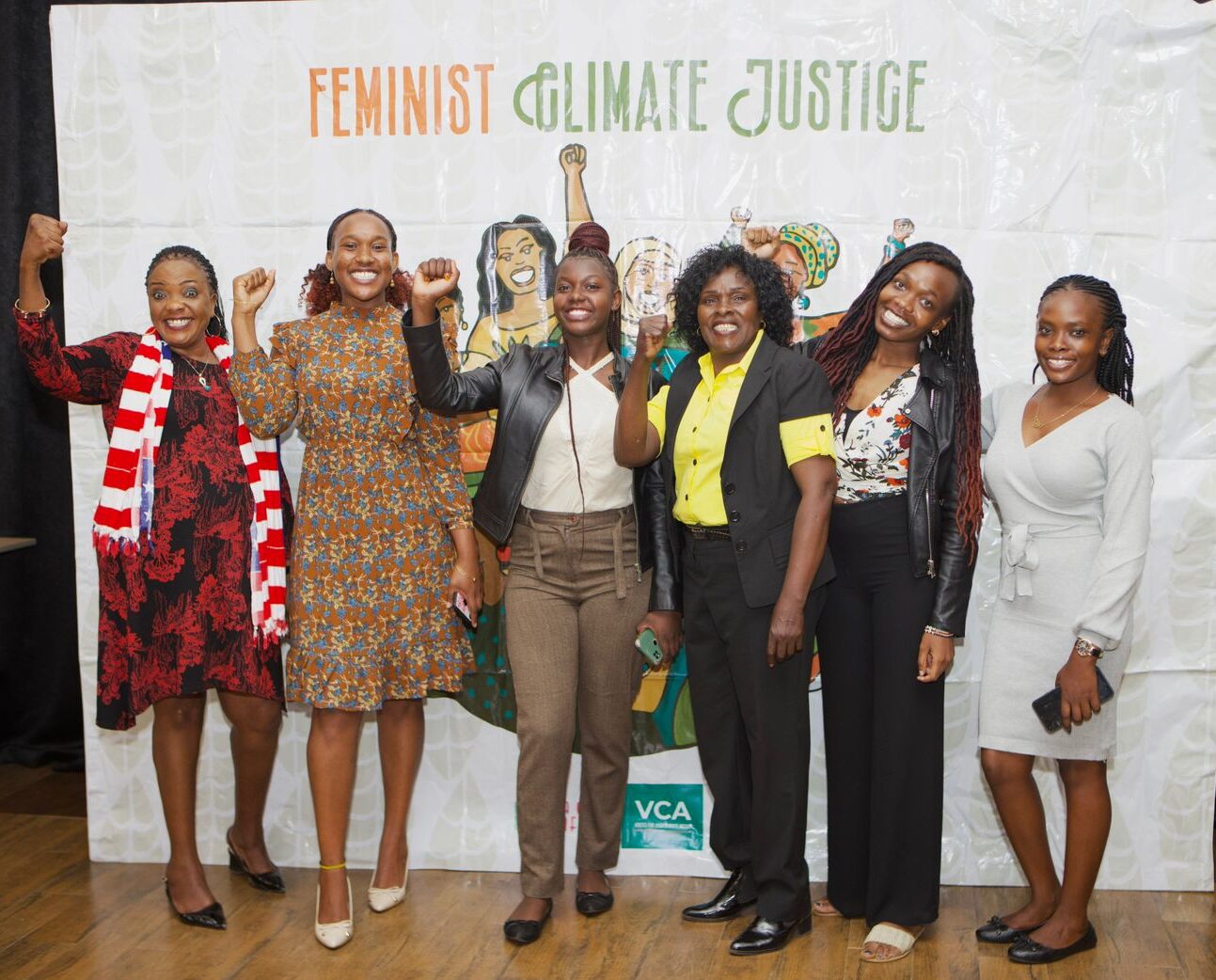
African Climate Summit 2023: No Climate Justice without Gender Justice
As Nairobi’s vibrancy reaches a crescendo, the world remains fixated on the Africa Climate Week taking place at
Learn More